

Pick up just about any bath bomb, clarifying shampoo, or balancing toner, take a look at the ingredients, and you’ll probably notice anhydrous citric acid somewhere toward the middle of the list. It may not be the flashiest ingredient, and you might not know it by name, but it’s certainly doing useful work behind the scenes. Whether adding fizz to bath bombs or keeping skincare formulas stable, this humble white powder packs a lot of punch for its small size. Here’s why.
What is Citric Acid Anhydrous?
source: facebook.com
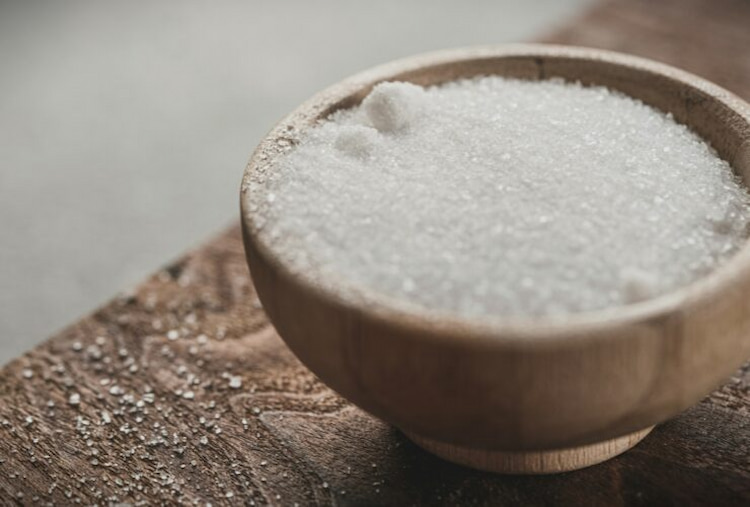
In short, high-purity citric acid anhydrous is a compound that occurs naturally in citrus fruits, although in commercial versions, it is usually made through fermentation rather than being extracted from lemons. It is derived from citrus fruits such as berries, corn, grapefruits, and lemons, and is a non-GMO ingredient that comes in the form of a white and odourless crystalline powder.
The main difference between this product and its close relative, citric acid monohydrate, is its water content. The anhydrous form has no added water, which makes it a more concentrated and versatile option for cosmetic formulations, DIY bath products, and eco-friendly cleaning solutions.
Because it’s more concentrated by weight than the monohydrate form, formulators typically need less of it, and it also offers excellent storage stability as long as it’s kept dry. If you’re someone who dabbles in bath bomb making or small-batch skincare, this is the form most recipes call for.
Here’s a brief overview of its characteristics: it’s water-soluble, has a pH level of about 2.0 to 2.5 when dissolved in a 1% solution, and contains no fat. The low pH is the key to everything it does.
Cosmetic Uses and Effects
For Skin. Citric acid is an Alpha Hydroxy Acid (AHA), like glycolic and lactic acid. Cosmetically, it’s often used to help promote a fresher, smoother-looking complexion, as citric acid makes skin appear softer and more radiant. Many people notice their skin feels fresher and revitalised because of the mild exfoliating properties of this acid.
On hair. Citric acid can help with removing buildup from the hair and scalp, smoothing the hair cuticles, and improving the hair shine and softness. That’s why it can be found in clarifying shampoos and conditioners, because its acidity helps seal the cuticle after the alkalinity of shampooing.
As a formulation ingredient. The most important role of citric acid anhydrous in cosmetics happens behind the scenes. It is widely used as a pH adjuster in skin and hair care products and cosmetics. The reason is that many active ingredients (like retinoids, vitamin C and some preservatives) work efficiently only at a certain pH level.
It has an amazing array of applications, including lotions, conditioners, facial cleansers, body washes, exfoliants, bath bombs, shower steamers, and cosmetic stabilisation. Outside the beauty aisle, it is a key ingredient in many household cleaning products, such as kettle descaling agents, dishwashing formulations, laundry detergents, and general cleaners.
How to Use It
The right amount really depends on what you’re making:
- Bath bombs and fizzers: The classic ratio is one part citric acid to two parts sodium bicarbonate (baking soda). This is the fizzing reaction you’re after – acid meets alkaline in water and releases carbon dioxide bubbles.
- Cleaning solutions: For descaling or general cleaning, concentrations up to around 10% are typical, adjusted depending on the surface or appliance.
- Cosmetic formulations: There’s no single fixed percentage here. You add it gradually, testing the pH of your care product as you go, until you hit your target range (often somewhere between pH 4 and 6 for most skin and hair products).
A few practical notes worth keeping in mind. Anhydrous citric acid is intended for external and formulation use only, and it’s wise to do a patch test before applying any finished product directly to skin. Store it somewhere cool and dry, sealed away from moisture because it can clump or start reacting prematurely if it absorbs ambient humidity. And since it’s commonly sourced from corn, anyone with a severe corn allergy should avoid it.
One more distinction worth understanding if you’re buying in bulk: monohydrate citric acid carries a small amount of bound water in its crystal structure, while the anhydrous form doesn’t. For most DIY and cosmetic purposes, anhydrous is the preferred choice simply because it’s more predictable and potent gram for gram.
The Takeaway
Citric acid anhydrous is proof that the most useful ingredients aren’t always the ones getting the most attention on the label. It won’t show up as the star of the products, but it’s often the quiet reason a formula holds its pH, a bath bomb fizzes just right, or a shampoo leaves hair feeling lighter and shinier. Whether you’re chasing smoother skin, glossier hair, a perfectly balanced serum, or just a fizzy homemade bath bomb, this small white powder is doing more heavy lifting than its low profile on an ingredients list would suggest.