

Did you know that you can get a watch that can keep ticking without a battery or a single twist of the crown? They’re called automatics, and this clever bit of engineering has had people hooked for about a hundred years. Whether you’re after your first one or just curious about how it all works, there’s more to it than you’d think.
The Charm of an Automatic Watch

source: facebook.com/Bulova
Automatic timepieces have always been a symbol of class and sophistication. Your grandparents wore them, and you’re probably here because you’re considering one too. These watches run on the way you move, so you won’t have to deal with batteries or ever winding them.
The Watch That Keeps Itself Going
Inside the watch is a small, weighted disc called the rotor. When you move your arm, this piece swings back and forth, winding the spring that powers the watch. Today you can find automatic watches in plenty of styles and price ranges, and they all work on this principle. Just put it on and go about your day.
If you leave it in a drawer for a couple of days, it’ll run down and stop. No dramas, though. Give the crown a few turns or wear it for a bit, and it’ll be back up and running.
A Hundred Years in the Making
The first self-winding watches were about a century ago. They kept changing and getting better after the war. Then cheap battery watches arrived in the 70s, and a lot of people made the switch, believing the days of mechanical watches were over. They weren’t.
People never bought them to beat a battery watch on accuracy. They bought them for the craft and the history. When you wear one, you’re part of a long line of watchmakers going back generations.
Small Parts, Big Job
source: facebook.com/ORIS
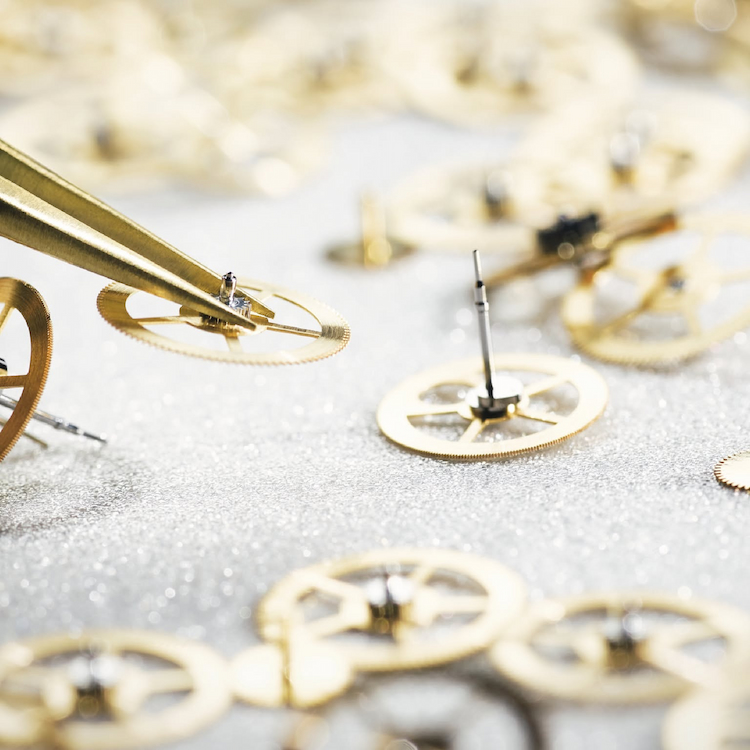
If you were to open one up, you’d find a bunch of tiny gears, levers and springs working together. One part lets out the power in small, steady bursts, while another one keeps the beat even. If one bit is out, the whole watch stops working properly. Getting hundreds of tiny pieces to work as one takes real skill.
Plenty to Pick From
There is something for everyone. You can go for a clean, simple face or something a bit bolder. You’ll find options that show the phases of the moon, ones with a stopwatch built in, and some are just two hands and a neat dial. The good ones use tough metal and scratch-resistant sapphire glass, so you can wear them daily without a worry.
Think of your automatic watch as a bit of history on your wrist, powered by nothing but you. If you’ve been thinking about getting your first one, now’s a good time to start looking around.
Their Work Mechanism
source: facebook.com/ORIS
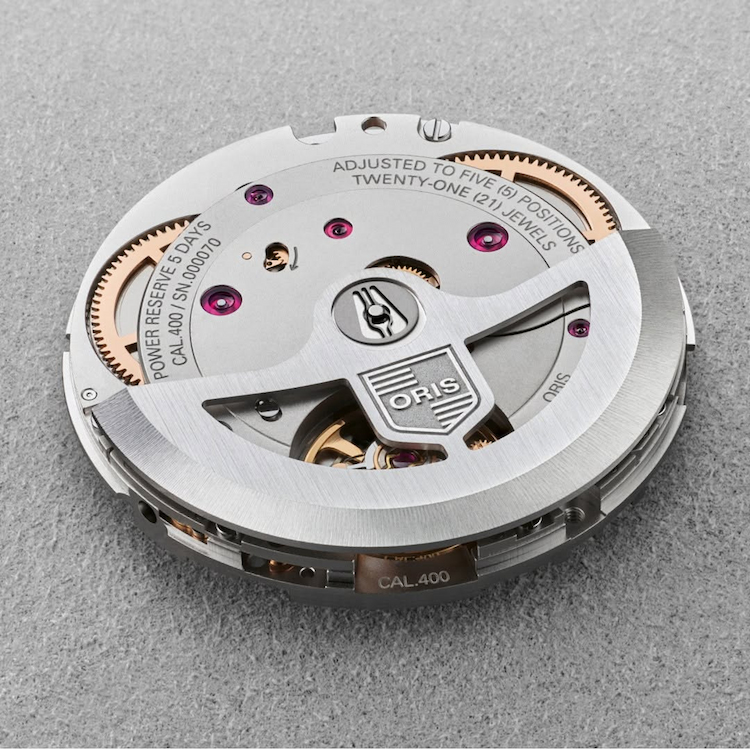
Every automatic wristwatch runs on the same basic idea: your arm movement makes power, and a chain of tiny parts turns that power into the time on the dial.
It all starts with the rotor, a half-circle piece of metal at the back of the watch. With natural wrist movement, the rotor spins freely and winds the mainspring, which is a tight little spring that stores energy. Once it’s fully wound, the watch can keep going for about 48 hours.
From there, the spring slowly unwinds and sends its energy through a set of gears. The energy reaches a part called the escapement, which lets it out in small, even bursts. Those bursts keep the balance wheel swinging back and forth at a steady pace, and that steady swing is what keeps the watch on time.
With every swing, the gears pass the energy on to the hands, and the hands move. That’s the tick you see and hear.
So basically, the whole thing goes like this. The rotor spins as you move, and the mainspring stores that energy. The escapement lets it out in equal bursts, the balance wheel swings at a steady pace, and the gears carry it through to the hands.
Sounds simple, but there are over a hundred tiny parts in there, and if one goes wrong, the whole watch feels it. That’s why automatic watches take real skill to make, and why they cost more than a basic battery watch.
How Are Manual Watches Different from Automatic?
source: chisholmhunter.co.uk
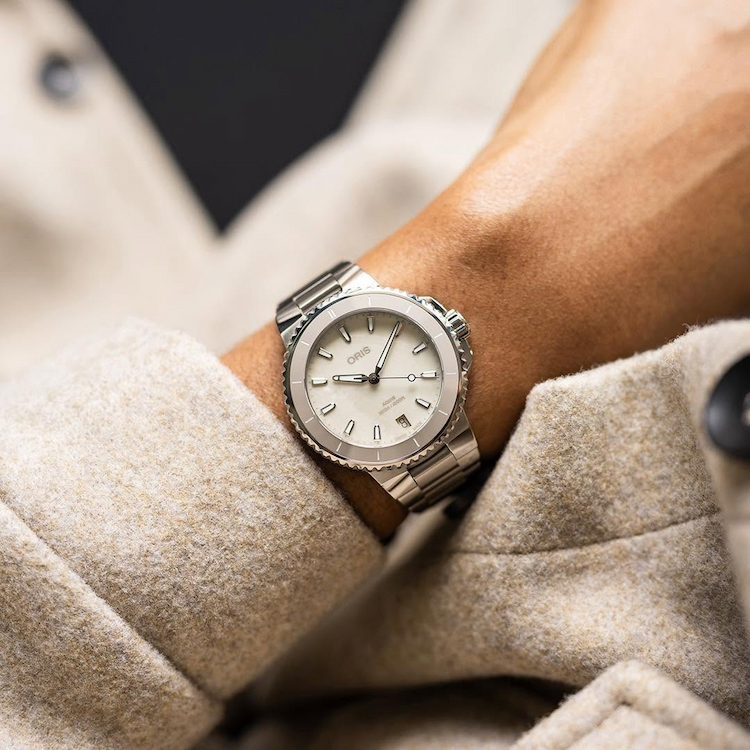
The main difference is in the way the spring gets wound. Manual watches have no rotor, so you’ll be the one to wind it by turning the crown, usually once a day. An automatic winds itself as your wrist moves, so you barely touch the crown.
Inside, they work the same way. However, because a manual skips the rotor, it can be slimmer and lighter, and you often get a clearer look at the movement through the back.
Automatics are easier for everyday wear and a lot more common. Manuals suit younger individuals who enjoy the daily winding and the old-school feel.
An automatic watch puts a bit of history on your wrist, with no batteries and other troubles. There are plenty of options and styles to choose from, and if you want to save up, you can look for an automatic watch for sale. Choose the one you like, and it’ll keep you company for years.