

BMW cars are known for their strong performance, smooth handling and solid build quality. They are designed to deliver a balanced driving experience, whether on daily commutes or longer trips. To keep that level of performance, regular maintenance is important, especially when it comes to braking. Good brake pads help maintain control, safety and comfort every time you drive.
Types of Brake Pads You Can Get For Your BMW
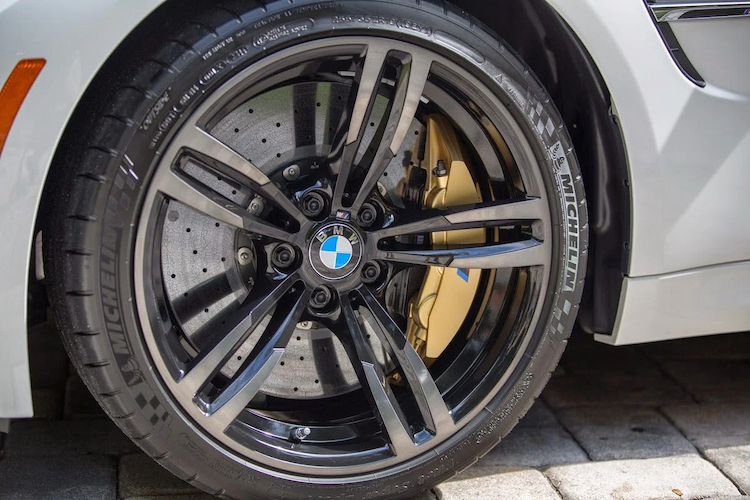
source: 360wheels.com.hk
You can find different BMW brake pad options, including organic, metallic and ceramic types, each designed to suit different driving styles and conditions.
Organic
Organic brake pads are made from materials like rubber, glass and fibres. They are softer compared to other types, which makes them quieter and smoother during use. These pads are a good choice for everyday driving where high performance is not required. An organic brake pad also produces less wear on the brake discs, which can help extend the life of other braking components.
Organic pads can also wear out faster and may not handle high heat as well as other options. This makes them less suitable for heavy braking or long downhill driving. For drivers who mainly use their vehicle in urban areas, organic brake pads for a BMW can offer a simple and cost-effective solution without sacrificing comfort.
Metallic
Metallic brake pads are made using a mix of metals such as steel, iron or copper. They are more durable and can handle higher temperatures, making them suitable for more demanding driving conditions. These brake pads for a BMW provide strong braking performance and respond well under pressure, which is useful for highway driving or carrying heavier loads.
However, they can be noisier than other types and may produce more brake dust. Over time, they can also increase wear on brake discs. When browsing BMW brake pads for sale, metallic options are often chosen by drivers who want a balance between durability and strong braking performance. They are a practical choice for those who need consistent performance in varied driving conditions.
Ceramic
Ceramic brake pads are made from ceramic fibres and other bonding materials. They are known for their quiet operation and low dust output, which helps keep wheels cleaner. A ceramic BMW brake pad is also one of the most popular performance upgrades as it provides stable braking across a wide range of temperatures.
They do not wear as quickly as organic pads and tend to maintain consistent performance over time. While they are more expensive, many drivers see them as a worthwhile investment for both comfort and durability. They are especially useful for drivers who want reliable braking without increased noise.
How to Change the Brake Pads on Your BMW
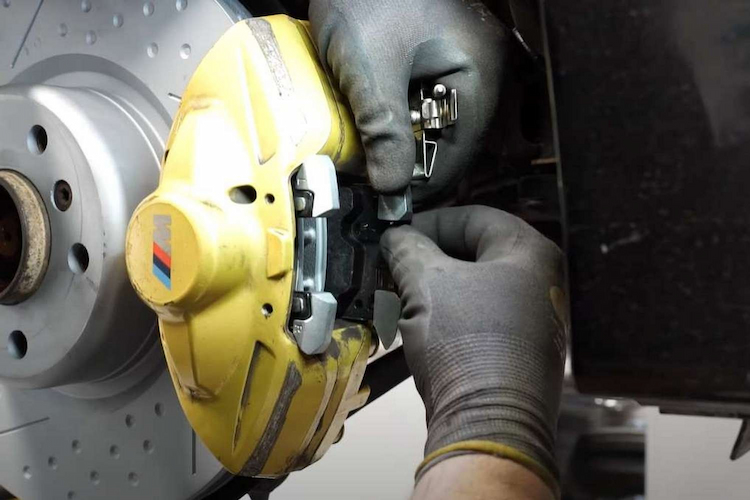
source: fcpeuro.com
What’s Needed
You will need a jack, wheel brace and a suitable socket set. A clamp or brake piston tool is also required to push the calliper piston back into place. Gloves and a clean cloth can help keep parts free from dirt and grease. It is important to have the correct replacement pads ready before starting, as using the wrong size or type can affect performance. Preparing everything in advance makes the job smoother and reduces the chance of mistakes.
Removal
1. Begin by loosening the wheel bolts slightly before lifting the vehicle. Once the car is raised, remove the wheel to access the braking system. Locate the brake calliper and remove the bolts that hold it in place. Carefully lift the calliper away and support it so it does not hang from the brake line.
2. Remove the worn pads from their position and observe how they are fitted. This helps ensure correct installation later. Take this time to inspect the discs and surrounding parts for any visible damage or uneven wear that could affect braking.
Replacement
1. Before fitting new pads, press the calliper piston back using a clamp or dedicated tool. This creates enough space for your new BMW brake pads for sale to fit properly. Place the new pads into the bracket in the same position as the old ones. Reattach the calliper and tighten all bolts securely.
2. Once done, reinstall the wheel and lower the vehicle back to the ground. Press the brake pedal several times before driving to ensure the pads are seated correctly. This step is important to restore proper braking pressure and ensure safe operation from the first drive.
When to Replace Your Brake Pads
Noise
A high-pitched squeal or grinding sound when braking is one of the most common signs of worn pads. This noise usually means the pad material has worn down and needs replacement. Acting quickly can prevent damage to the brake discs and maintain safe braking.
Wobble
A wobble felt through the steering wheel or brake pedal during braking can indicate uneven pad wear or alignment issues. This can affect vehicle control and should be checked as soon as possible. Replacing worn pads can often resolve this issue and restore smooth braking.
Vibrations
Vibrations during braking may point to worn pads or uneven contact with the brake disc. This can reduce braking efficiency and create discomfort while driving. Addressing this early helps maintain consistent performance and prevents further wear on related components.
Performance
If you notice the vehicle takes longer to stop or requires more pressure on the pedal, it is a clear sign the pads need attention. Reduced braking performance can increase stopping distance and risk on the road. Replacing worn components promptly helps restore safe and reliable braking.