

In the hierarchy of cricket equipment, batters love to obsess over willow grains and edge profiles, but none of that matters without protection. Gone are the days when a brave opening batter faced new-ball quicks armed only with a floppy cap and bravado. Today, safety technology, regulation, and culture have evolved together, emphasising that no innings is worth risking a serious head injury.
The path to modern protection was far from linear. The first experimental prototypes in the 1970s were rudimentary, with protective gaps and awkward shells that players resisted for aesthetic reasons. Over time, however, as bouncers got quicker and concussion research became impossible to ignore, innovation accelerated. The result is a sophisticated generation of cricket helmets designed to absorb impact, stabilise sightlines, and keep players mentally locked in for long innings.
Wearing an outdated helmet is no longer part of the sport’s mythology; it’s a liability. Whether you’re a junior cricketer, a local league regular, or a professional, the right helmet isn’t just an accessory. It’s insurance for your brain, face, and future.
Material Science: Shells and Grilles
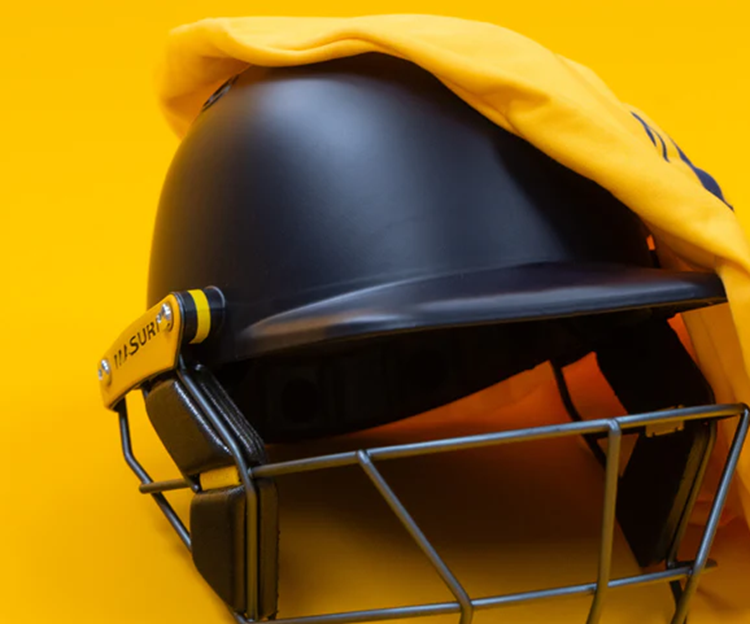
source: masuri.com
At every level of the modern game, the reliable helmet cricket players choose has become a non-negotiable part of their kit. The quality of a helmet starts with the bones of its construction: the shell and grille.
Shell Materials
Manufacturers today use three primary shell materials, each suited for specific performance levels:
- Plastic/ABS: The most cost-effective category is typically found in entry-level and junior models. While they meet basic safety standards, their impact absorption is lower than that of composite materials. Ideal for players at club level who need functional safety without premium pricing.
- Fibreglass: The middle ground, balancing weight, durability, and shock absorption. Fibreglass shells distribute impact forces more efficiently than ABS and withstand repeated knocks well, which is crucial for frequent training and matches.
- Carbon Fibre: Reserved for premium and professional models. Carbon fibre and Kevlar offer the holy grail: maximum strength with minimal weight. For batters who log hours at the crease, reduced neck fatigue and superior protection justify the higher price tag.
Grille Materials
The grille protects the face without obstructing visibility, and its material matters more than many players realise.
- Steel: Tough and budget-friendly, steel grilles are a common choice. Their trade-off is weight; extended sessions can produce subtle neck strain and slower head movement.
- Titanium: Lightweight, ultra-strong, and resistant to corrosion. Titanium grilles significantly reduce front-loaded weight, improving balance and reaction times. Professionals overwhelmingly prefer titanium for comfort and performance.
The Perfect Fit: A Step-by-Step Protocol
A state-of-the-art helmet is useless if it doesn’t fit correctly. Size and adjustment directly influence impact protection and comfort.
Measuring the Head
Start by measuring head circumference 1cm above the eyebrows. The true anatomical fit line. This provides the baseline helmet size before fine-tuning adjustments.
The “Three-Point Check”
Once sized, use the industry-standard fitting protocol:
- The Forehead: The helmet should sit level, covering the upper forehead without tilting backwards. A helmet that rides up exposes a critical area and defeats the purpose of the design.
- The Chin Strap: The strap should be snug yet allow enough movement for calls between the wickets. Too tight restricts speech; too loose compromises stability.
- The Shake Test: Shake your head left, right, up, and down. If the helmet wobbles or shifts, it’s too large. If it compresses uncomfortably, size up or adjust internals.
Rear Adjustment Systems
Many modern designs feature dial-fit mechanisms at the rear, allowing micro-adjustments for personalised comfort. This is especially useful for players who share helmets or prefer different fits for training and match scenarios.
Visibility & Ventilation: Performance Factors
Protection must never interfere with performance. Two major factors influence playability:
The Sightline
Grille geometry is more than an aesthetic choice. The spacing of bars must allow unobstructed vision of the bowler’s release point. The most important micro-moment in cricket. Ill-fitting helmets can create visual blind spots, delaying reaction time.
Airflow Management
Cricket is a long-form sport played in heat-heavy conditions from Brisbane to Mumbai. Internal padding channels and external vents help manage temperature, reducing sweat-induced distraction and overheating. Comfort directly affects concentration. Especially during long stays at the crease.
Sweat and Hygiene
Removable liners, moisture-wicking fabrics, and washable pads help extend the lifespan of the helmet and reduce unpleasant odours. Hygiene is often overlooked, especially among juniors, but it contributes significantly to long-term usability.
Specialised Considerations
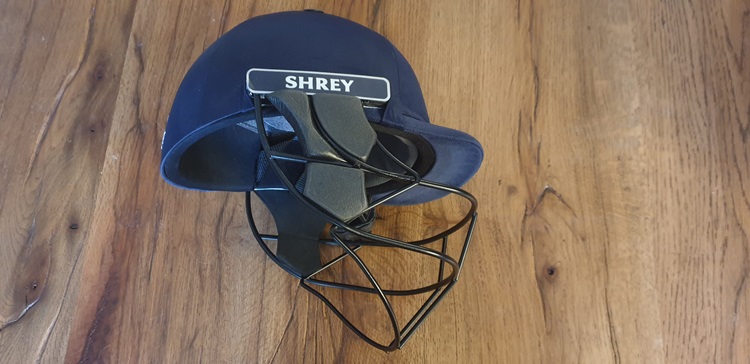
source: Sereniasupply.com
Not every player needs the same spec sheet. Several features cater to specific roles and scenarios.
Neck Protectors
After high-profile injuries in the professional game, detachable honeycomb-style neck protectors became standard. These protect the vulnerable area at the base of the skull from late-rising balls or deflections off the bat.
Junior Sizing
For junior players, “growing into” a helmet is a dangerous myth. Oversized gaps compromise protection and reduce confidence at the crease. Always size for the current season, not speculative growth.
Wicket-Keeping Helmets
Keepers standing up to the stumps require modified designs that prioritise visibility, lighter grilles, and face angle adjustments. A keeper’s risk profile differs from a slogging opener, and equipment should match the role.
Confidence Through Protection
When evaluating the helmet cricket players rely on today, the decision matrix can be simplified into three priorities: safety standards first, material weight second, and fit third. Features such as shell composites, grille materials, ventilation, and neck guards all work in concert to create total-field confidence.
A high-quality cricket helmet lets a batter stay safe while keeping a clear mind. The psychological edge matters; players perform better when fear is removed from the equation. Whether you’re comparing brands, looking for a cricket helmet for sale, or preparing to buy cricket helmet gear for the upcoming season, the right choice blends safety with comfort and performance, enabling you to focus entirely on the ball.