

The Ford Everest’s cabin is built for comfort and versatility, but regular use quickly exposes the interior to gradual wear. Entry and exit friction, shifting passengers, outdoor gear, and long-distance driving all contribute to surface deterioration over time. Seat areas tend to take the most impact, absorbing repeated pressure, spills, and constant movement that slowly affects their condition.
Maintaining the interior is less about aesthetics and more about preserving functionality and resale value in the long run. A well-considered protection setup reduces cleaning effort and helps the cabin stay consistent under daily use. Understanding how fit, material choice, and lifestyle interact is essential before making a decision that will affect long-term usability.
Driving Needs and Direction in the Cabin
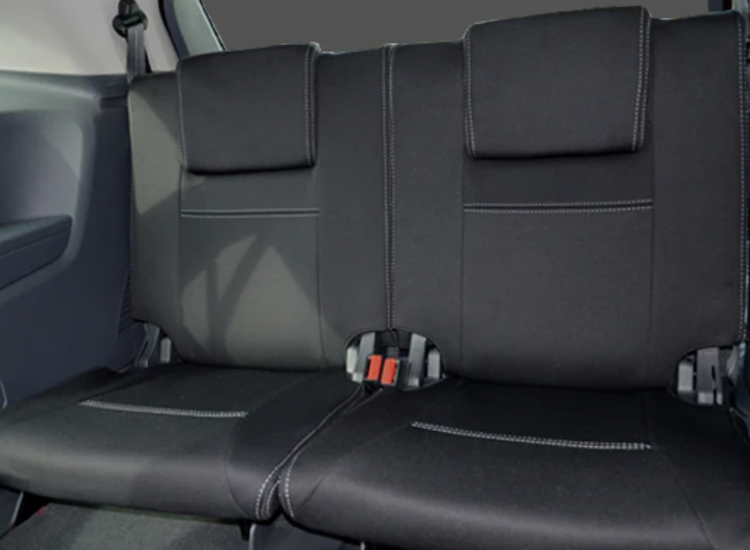
source: supertrim.com.au
Selecting interior protection for a large SUV requires attention to how the vehicle is actually used rather than relying on generic solutions. Family transport, work duties, and outdoor activity each place different demands on the seating layout and surface durability. Proper fit ensures seat functions, contours, and movement remain unaffected during daily use.
This is where Ford Everest car seat covers become important, as they are designed to match the structure of the cabin rather than forcing a universal compromise. A tailored fit helps reduce shifting during entry and exit, which is especially useful in high-traffic environments. Usage factors such as child seats, pets, and equipment further influence how much strain the interior experiences.
When properly matched, seat protection improves comfort and reduces ongoing maintenance demands. With the right choice and fit, Ford Everest car seat covers reduce daily wear, making spills, dust, and friction far easier to manage over time.
Protection Behaviour
Material performance plays a major role in how well interior protection holds up over time. In vehicles exposed to mixed driving environments, surfaces must withstand abrasion, moisture, heat, and UV exposure without breaking down prematurely. Stronger fabric structures help preserve the original upholstery by reducing direct contact with daily wear.
Different material approaches prioritise different needs, with some focusing on breathability for warmer conditions and others reinforcing layered durability for heavier use. Comfort remains important, particularly for drivers covering long distances or transporting passengers frequently. Over time, resistance to spills and dust also reduces deep staining and makes routine cleaning significantly easier.
Additionally, Everest seat covers vary depending on the level of coverage and accessibility required. Full-coverage setups are typically suited to high-use environments where maximum protection is needed, while partial configurations allow easier access to built-in seat functions and storage areas. The decision usually comes down to balancing convenience with durability.
Practical Tips Before Choosing
Selecting the right Everest seat cover becomes simpler when decisions are based on actual driving habits rather than appearance alone. Daily routines such as commuting, family transport, and outdoor activity determine how much protection is realistically required. Be sure to:
- Prioritise durability when selecting protection designed for high-frequency use and variable driving conditions.
- Match the level of coverage to actual seating demand, especially if passengers, tools, or pets are regularly transported.
- Avoid overly complex setups that compromise ease of cleaning or daily usability in favour of marginal design features.
- Check installation stability to ensure the system remains secure during frequent entry, exit, and long-distance travel.
- Focus on materials that balance comfort and resistance to wear without making the cabin feel stiff or restricted.
Build Quality and Installation Confidence
Long-term ownership is often defined by how well small interior decisions hold up under repeated use, especially in vehicles that serve multiple roles across work and family life. Consistency in protection, ease of maintenance, and comfort all contribute to a more practical driving experience over time.
Another important consideration is how seat protection interacts with long-term vehicle value. Interior condition is one of the first things inspected in used SUV markets, and worn seating often has an outsized impact on perceived care.
Even light surface damage, if spread across multiple areas, can make the cabin feel older than it actually is. Properly fitted Ford Everest seat covers help maintain a more uniform appearance over time, reducing visible wear patterns that accumulate from repeated use.
Climate also plays a role in performance expectations. In warmer conditions, the breathable surfaces of the Ford Everest seat cover help reduce heat retention during long parking periods, while in cooler environments, layered construction can provide a more comfortable seating feel.
These small differences become noticeable during extended ownership, especially for drivers who rely on the vehicle daily rather than occasionally. Over time, consistent interior protection becomes less about short-term preservation and more about maintaining a stable, functional driving environment.
Function First, Everything Else Follows
Seat covers for Ford Everest are ultimately about maintaining function under real-world conditions rather than chasing short-term visual improvements. A well-planned setup supports daily use by reducing maintenance demands and helping the cabin withstand constant pressure from passengers, equipment, and travel environments.
Attention to fit, material quality, and intended usage ensures the interior remains practical and manageable over time. When these elements align, the result is a cabin that continues to perform reliably well beyond its initial condition, supporting both everyday driving and longer journeys with consistent ease.