

When it comes to load-bearing gear and everyday carry accessories, few items combine functionality with durability as effectively as the tactical belt. What was once a niche product for military and law enforcement personnel has now become a mainstream accessory adopted by outdoor enthusiasts, concealed carry permit holders, and anyone who appreciates high-quality, heavy-duty accessories.
What Makes a Belt “Tactical”?
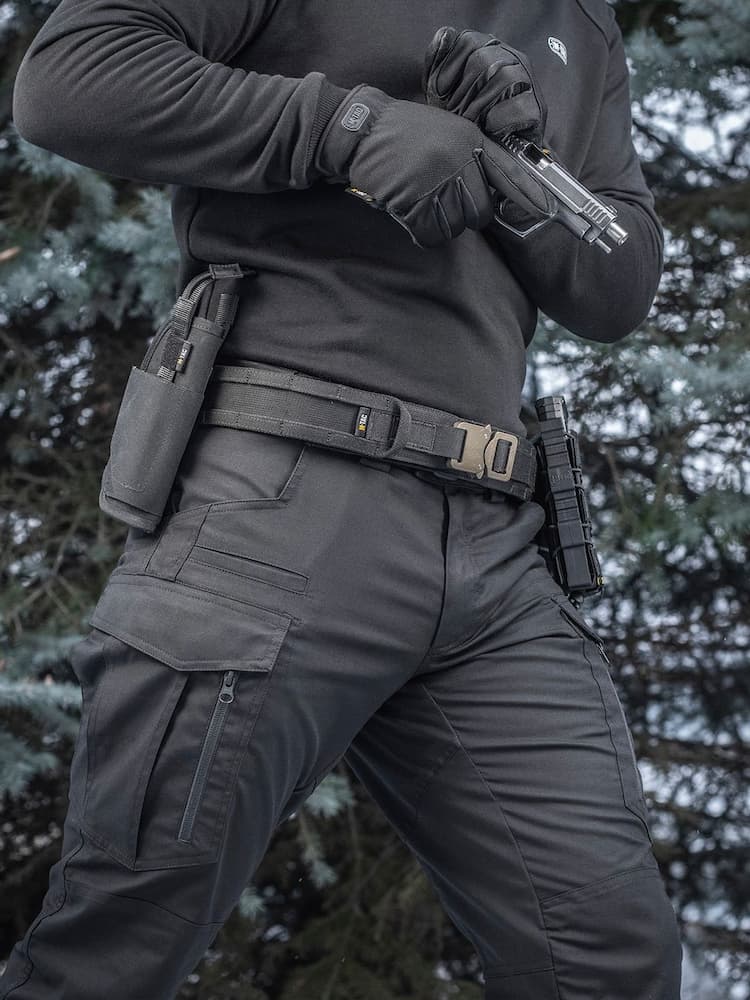
Source: pinterest.com
Tactical belts are designed with features that set them apart from regular belts. One key difference is that they are built to handle heavy loads and provide a stable platform for carrying gear, whereas regular belts are intended only to hold trousers in place.
When you go shopping for a tactical belt in Australia, you’ll notice that most are made from thick nylon webbing that is reinforced with multiple layers of material. This gives them the ability to hold between 2 and 9 kilograms of gear without rolling, stretching, or sagging. The buckles on tactical belts are also designed to handle heavy loads, with most made from heavy plastic polymers or metal alloys that can handle forces of several hundred pounds. Some tactical belts come with quick-release buckles adapted for climbing and rescue equipment, while others feature friction buckles that are designed for maximum security.
What Are the Different Types of Tactical Belts
Military belts typically come in three different types: combat, duty, and rigger’s. Combat belts are the most universal variety, providing stability during movement. They usually feature a two-part configuration with an inner belt that goes through uniform belt loops, and an outer belt that supports the gear. MOLLE webbing and attachment systems provide maximum flexibility.
Duty belts are similar to combat belts but focus more on comfort and professional presentation. They are primarily used by law enforcement and security officers for carrying daily duty equipment, such as firearms, handcuffs, radios, and magazines.
Rigger’s belts are excellent platforms for tactical gear. Their heavy-duty construction and durability make them ideal for load-bearing and emergency rappelling. Because they are built to a person’s entire weight, these belts are favoured among individuals who engage in zip lining, rock climbing, and fast roping.
The Practical Uses
For individuals who own and use firearms, either as a profession or as a holder of a concealed carry permit, a tactical belt is essential. Regular belts are not designed to hold the weight of a holstered firearm, magazines, and other equipment without either sagging or becoming uncomfortable to wear. A tactical belt will hold this weight evenly around the waist, keeping everything in place throughout the day and providing a solid platform that holds all equipment in the same position.
In addition to supporting firearms, tactical belts are also popular among hikers, campers, and outdoor enthusiasts. The ability to attach pouches, multi-tools, first aid kits, and other necessary equipment to the belt makes it an essential item in the wilderness.
Experts in various sectors depend on these accessories for everyday tasks. Security guards, EMTs, photographers, contractors, and maintenance personnel can greatly benefit from having a functional platform to hold their tools and equipment in a hands-free manner. The belt serves as a mobile workstation, allowing easy access to necessary items while maintaining complete mobility.
Key Features to Consider
When choosing a tactical belt in Australia, pay attention to the width and rigidity of the belt. Most tactical belts measure between 3.8 and 4.4 cm, which generally fits standard belt loops. Wider belts can offer greater load support but may not fit all trousers.
The rigidity of the belt also affects performance and comfort. More rigid belts can carry heavier gear but may feel stiff at first and may need a break-in period. In contrast, flexible belts provide immediate comfort but may support less weight.
Another consideration is the buckle style. Cobra buckles, designed for climbing belts, provide remarkable strength and quick release. Velcro systems offer endless adjustability and silence in operation, making them best suited for specific combat scenarios. Frame buckles are a tried-and-true alternative, although they do add bulk.
The quality of the material used will have a direct effect on durability and functionality. It is essential to choose belts constructed from scuba webbing or military-grade nylon, which can withstand abrasion, water, and UV damage. Some belts feature elastic areas for ease of movement or when seated, although this flexibility does compromise maximum rigidity.
Beyond the Tactical Community
The crossover appeal of tactical belts is a testament to their basic functionality. You don’t need to be part of the military to appreciate a belt built for load-bearing use.
The fashion flexibility of tactical belts has also widened their appeal. Although the original designs were strictly functional, manufacturers have now developed designs in different colours and styles that can be paired with casual clothing. Some are subtle enough to be worn to the office, while others are a clear statement of fashion intent.