

Magnets are an essential part of everyday life, yet we often forget that they’re even there. From travel souvenirs stuck to your fridge to the small components that help make your phone work, magnets are everywhere, available in all shapes, forms, and sizes.
Among the magnets used for everyday and commercial purposes, rare earth magnets stand out. They are small and compact, yet incredibly powerful, making them useful in everything from home electronics to heavy-duty industrial machinery.
Whether you’d like to learn more about magnets or discover how a powerful magnet rare earth could benefit your everyday needs, you’re in the right place. Let’s take a closer look at what they are, what makes them so powerful, and how they work in everyday settings.
What Is a Rare Earth Magnet?
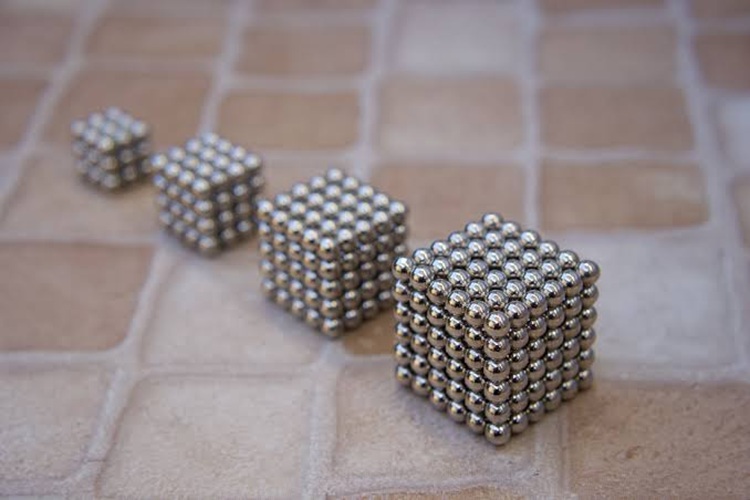
Source: bcm.edu
Despite their name, these magnets aren’t actually rare. They are permanent magnets made from elements known as rare earth elements, which can be found in the lanthanide series of the periodic table. These elements are often described as rare materials because they can be difficult to extract and were once considered scarce.
The reason rare earth magnets are among the most widely used types of magnets in modern technology is their ability to outperform many conventional magnetic materials. Their unique atomic structure allows them to generate powerful magnetic fields while also providing strong resistance to demagnetisation.
These qualites allow rare earth magnets to retain their magnetic strength under demanding conditions, including vibrations and, depending on the specific material, elevated temperatures. This makes them particularly useful across a wide range of applications, from electronics and machinery to construction and industrial equipment.
How Do They Work?
Magnetism comes from electrons, tiny particles inside atoms that have their own magnetic properties. In most materials, these properties largely cancel each other out. However, some materials contain unpaired electrons that contribute to a stronger magnetic effect.
Inside magnetic materials are tiny regions called magnetic domains, where atoms act like small magnets. When these domains point in different directions, their magnetic effects largely cancel out. During manufacturing, a strong magnetic field aligns many of these domains, allowing the material to produce a powerful magnetic field of its own.
Rare earth magnets are especially strong because of the unique properties of rare earth elements, which are combined with other metals to improve their magnetic strength and resistance to demagnetisation.
Neodymium magnets are a common example. They’re made from neodymium, iron and boron, a combination that produces a powerful magnet in a relatively small size.
Common Uses of Rare Earth Magnets

Source: youtube.com
Because rare earth magnets are compact yet extremely powerful, they have a wide range of applications across different industries and areas of everyday life.
MRI Machines
If you’ve ever had an MRI scan, you’ve been examined with the help of powerful magnets. Magnetic Resonance Imaging (MRI) uses a strong magnetic field to create detailed images of the inside of the body. While modern MRI machines primarily use superconducting electromagnets rather than permanent rare earth magnets, these materials can still be found in certain components and specialised MRI systems.
Transportation
You might be surprised to learn that some trains rely on powerful magnetic fields to operate. Maglev (magnetic levitation) trains use magnetic forces to lift the train slightly above its track, reducing physical contact between the train and the rail. This significantly reduces friction, allowing these trains to travel at extremely high speeds.
Audio Devices
One of the most important functions of a speaker is transforming electrical signals into sound. Speakers contain several small components that work together to make this possible, with magnets playing a particularly important role. Neodymium magnets are commonly used in speakers because they can generate a strong magnetic field while remaining small and lightweight. This makes them especially useful in compact audio devices such as headphones and portable speakers.
Bag and Jewellery Clasps
Rare earth magnets aren’t limited to advanced technology. They can also be found in many everyday accessories, including handbags, wallets, jewellery, and other items that need a secure but convenient closure. Their strong magnetic force allows two small magnets to hold an item closed without the need for bulky clasps, buttons, or fasteners.
Home Organisation
These types of magnets can also make everyday organisation easier. They are used in certain doors, cabinets, and windows to help keep them securely closed. You can also purchase individual rare earth magnets for household projects, using them to attach hooks, lights, signs, and other objects to suitable metal surfaces. Their small size and strong holding power make them particularly useful when you want a practical solution without taking up much space.
Closing Thoughts
Rare earth magnets, such as neodymium and samarium-cobalt magnets, are known for their exceptionally strong magnetic fields and compact size. These qualities make them useful for everything from fastening objects to suitable metal surfaces to powering components in advanced machines and electronic devices.
Beyond their use in home organisation, decorations, and practical household applications, rare earth magnets can be found in a wide range of modern technologies and industries. Their combination of strength, durability, and versatility makes them some of the most useful magnetic materials in today’s world.