

The One Piece Trading Card Game has exploded in popularity, and it’s not hard to see why. Between the incredible artwork, iconic characters, and the thrill of collecting rare pulls, it has quickly become one of the most exciting card games around.
If you’re new to the hobby, buying booster packs might seem like the obvious place to start. They’re fun to open, sure—but they can also leave you with piles of duplicates and still not the card you actually wanted.
That’s why many collectors skip the guesswork and start with singles instead. Buying individual cards gives you more control, helps you spend your budget more wisely, and lets you build a collection around the cards you genuinely care about.
What Are One Piece TCG Single Cards?
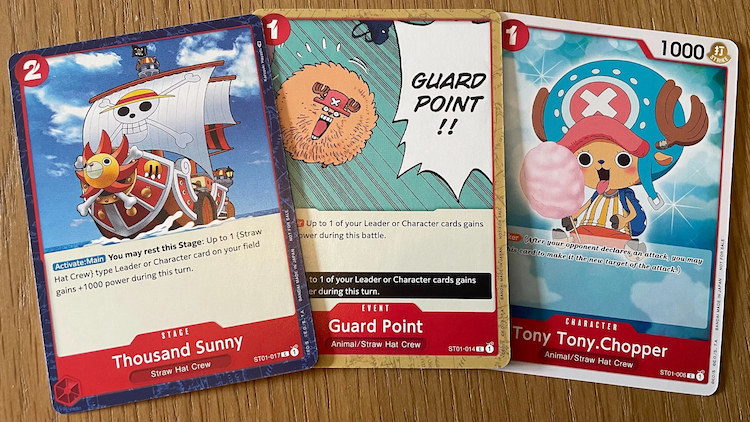
source: dicebreaker.com
In simple terms, One Piece TCG single cards are individual pieces sold separately rather than as part of a sealed booster pack or box. Instead of relying on luck, you can purchase exactly the card you want.
These singles can include:
- Character cards featuring icons like Monkey D. Luffy or Roronoa Zoro
- Leader cards used in gameplay
- Event cards with special effects
- Rare alternate art (alt-art) versions prized by collectors
Collectors often prefer singles because they offer precision. Rather than opening multiple packs in hopes of finding one specific card, you can go straight to the source and add it to your collection instantly. It’s efficient, often more cost-effective, and far less frustrating.
Why Collect One Piece Single Cards?
Rather than spending money on pack after pack hoping for one specific card, buying a one piece TCG single gives you far more control over your collection from day one. That makes the whole process feel less random and much more rewarding.
It also helps you build your collection faster. If there’s a particular character, rarity, or artwork style you’re after, singles let you focus your budget where it matters most.
And if you enjoy the collecting side of the hobby, there’s something genuinely satisfying about choosing each card with intention instead of relying on luck.
Types of One Piece Cards You Should Know
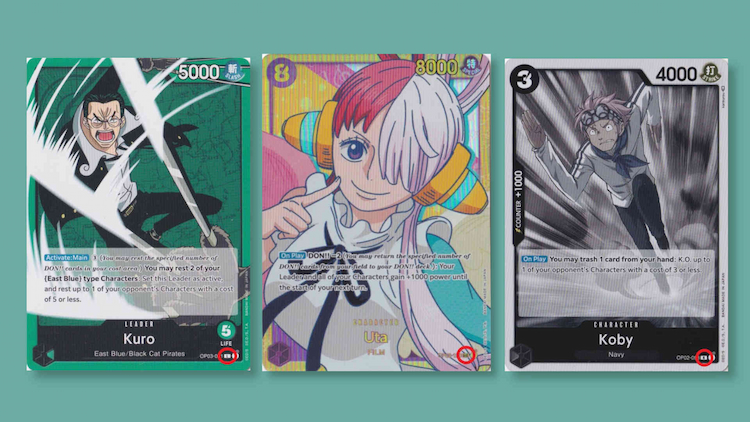
source: cardgamer.com
Before diving in, it helps to understand the different types of cards available.
Common to Secret Rare
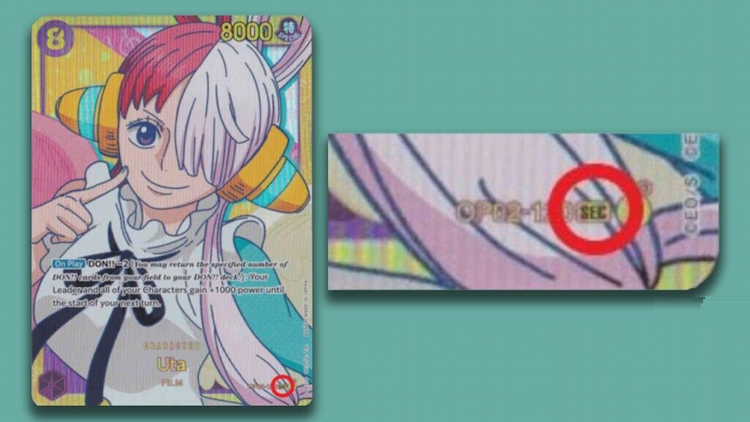
source: cardgamer.com
Cards are typically categorised by rarity:
- Common (C)
- Uncommon (UC)
- Rare (R)
- Super Rare (SR)
- Secret Rare (SEC)
As you move up the scale, cards become harder to find and often more valuable.
Alternate Art Cards
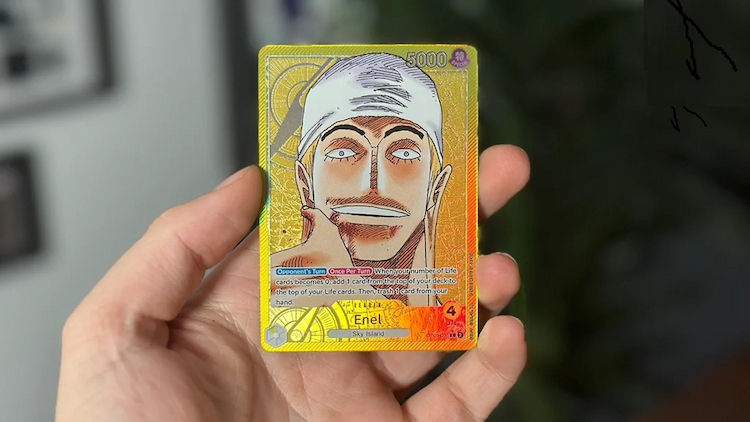
source: cardgamer.com
Alt-art cards feature unique designs and are highly sought after for their visual appeal. These are often centrepieces in a collection.
Promo Cards
Promotional cards are released through events or special campaigns. They can be limited in number, making them particularly desirable.
Leader Cards
Essential for gameplay, leader cards also come in stylish designs that appeal to collectors.
Understanding these categories will help you decide what kind of collector you want to be.
Setting Your Collecting Goals
One of the best things you can do early on is decide what kind of collection you want to build.
You might want to collect your favourite characters and ignore everything else. You might love the challenge of completing full sets. Or maybe you simply want to chase the rarest and most impressive-looking cards.
There’s no wrong approach, but having a clear goal helps you stay focused. Without one, it’s easy to buy cards just because they look interesting, only to realise later your collection feels a bit random.
A little direction makes every purchase feel more intentional..
How to Choose the Right Cards
Choosing your next card gets easier once you stop worrying about what everyone else is buying.
Start with the cards that genuinely stand out to you. If you love the artwork, the character, or the design, that’s reason enough. From there, pay attention to card condition. A well-kept card will look better in your collection and usually hold value more effectively over time.
It’s also smart to compare prices before buying. The same card can vary quite a bit depending on the seller and condition. Most importantly, pace yourself. You don’t need to chase expensive grails straight away. Great collections grow over time.
How to Store and Protect Your Cards
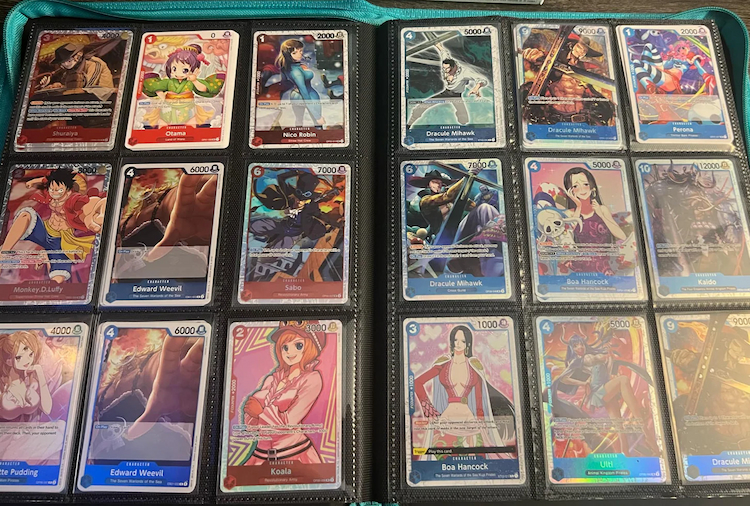
source: tcgprotectors.com
Once you start building your collection, protecting your cards becomes part of the hobby. A little care goes a long way, especially if you want your cards to stay in top condition over time.
The basics every collector should have:
- Card sleeves: Your first line of defence against scratches, fingerprints, and general wear
- Binders: Great for organising your collection and flipping through it without handling every card directly
- Top loaders: Ideal for your rarest or most valuable cards that need extra protection
It also helps to think about where you store everything. Try to keep your collection:
- Away from direct sunlight, which can fade colours over time
- In a cool, dry space to avoid moisture damage or warping
- Stored upright and neatly organised so cards don’t bend or get crushed
Looking after your cards properly not only keeps them in better condition but also makes your collection feel more polished and satisfying to maintain.
Tips to Grow Your Collection Over Time
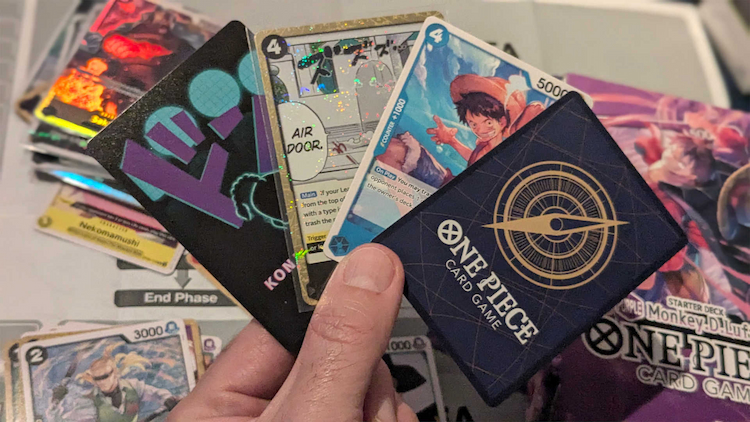
source: cardgamer.com
Building a collection is much more enjoyable when you take your time with it.
Keep an eye on upcoming set releases so you know what cards are on the horizon. This helps you plan purchases rather than buy impulsively.
Watch how prices move as well. Some cards spike early, drop later, and then rise again over time. Trading with other collectors can also be a great way to fill gaps in your collection while connecting with the community.
And when you’re browsing for new additions, exploring a trusted range of One Piece TCG single collectables can help you spot cards that fit both your taste and your budget.
Conclusion
Starting a collection in the One Piece trading card world is both exciting and rewarding. By focusing on singles, you gain control, save money, and build a collection that genuinely reflects your interests.
From understanding card types to setting goals, choosing wisely, and protecting your cards, each step plays an important role in your journey. Whether you’re collecting for fun, competition, or investment, the key is to enjoy the process.
With patience and a bit of strategy, your collection of cards can grow into something truly special.