

When it comes to family time by the water, safety is the top priority especially for kids. They’re naturally drawn to water and love splashing around, but even the most confident little swimmer needs protection. What is one of the most essential pieces of safety gear? A children’s life jacket. This life-saving accessory is designed to provide buoyancy, keeping children safe and giving parents peace of mind.
Why Life Jackets Are Essential
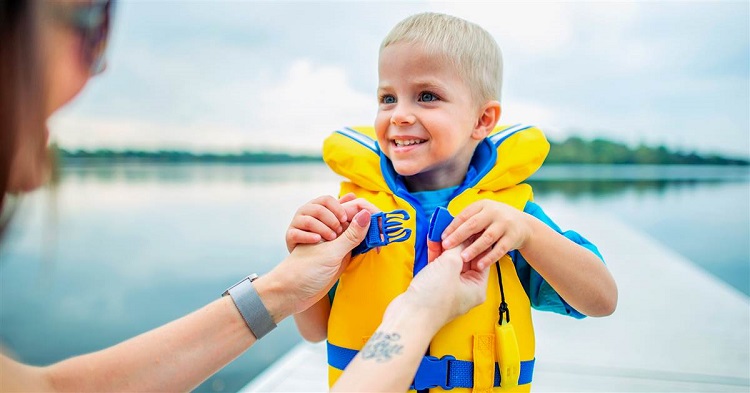
source: todaysparent.com
The unpredictable nature of water can be a hazard for kids who may overestimate their swimming skills or get tired quickly. Water conditions like waves, currents, or even a simple misstep can lead to unexpected falls or fatigue. The adequate kids’ life jackets offer that extra layer of security, helping prevent accidents and keeping your child buoyant and visible.
Beyond just swimming, life jackets are a must-have for various water-related activities, like boating or kayaking, where sudden movements or jolts could throw a child overboard. With a life jacket, children can safely participate in these adventures.
Types of Children’s Life Jackets
Choosing the right type of life jacket for your child depends on the activity, water conditions, and the level of buoyancy needed.
Offshore Life Jackets
These life jackets provide the highest level of buoyancy and are built for open, rough, or remote waters where rescue may take time. They are designed to keep the wearer’s head above water and have enough flotation to turn most people face up, which is essential in emergency situations. Offshore life jackets’ key aspects:
- Best For: Boating trips far from shore, sailing in the ocean, or any situation where rough water or delayed rescue could be a concern.
- Advantages: Excellent buoyancy and high safety standards for challenging water conditions. These jackets are often brightly coloured to increase visibility.
- Considerations: These jackets tend to be bulkier and heavier, which can be uncomfortable for younger children and may limit movement. They are best for high-risk situations rather than general play or swimming.
Near-Shore Buoyancy Vests
They are intended for calm, inland waters where immediate rescue is possible. While not as buoyant as offshore ones, these jackets still provide enough flotation to turn an unconscious child face-up in most cases. They are generally less bulky and have an easier fit for young children. Remember the following aspects:
- Best For: Lakeside swimming, calm inland waters, and close-to-shore boating where waves and strong currents aren’t a major concern.
- Advantages: Lighter than offshore jackets and often more comfortable, making them suitable for younger children. Their simplicity makes them easy to put on and adjust.
- Considerations: Though lighter, these jackets don’t offer as much buoyancy, which may be less effective in rough waters. Also, the face-up positioning is not guaranteed in every scenario.
Flotation Aids
Flotation aids are designed for use in calm, shallow water where quick rescue is likely. They offer a comfortable fit and are made to be flexible, making them a popular choice for active kids who want to move around freely. However, they don’t guarantee that a child will be turned face-up in the water. Keep in mind:
- Best For: General swimming, water sports like tubing or kayaking, and casual use in pools or calm, shallow lakes.
- Advantages: These are the most comfortable and flexible life jackets, allowing children to move their arms and legs more freely. These aid jackets come in a range of styles, often looking like regular vests or swim gear, making them appealing to kids.
- Considerations: The lower buoyancy means they’re not ideal for open or rough water. Since they don’t always turn the wearer face up, they are better suited for older kids or those with stronger swimming abilities.
Special Use Devices
Specialised flotation devices are designed for specific water sports or activities, like kayaking, windsurfing, or fishing. They’re usually equipped with extra features for activity-specific needs, such as harnesses or extra padding. Their main feats are:
- Best For: Special water sports or specific conditions where extra flexibility or specific safety features are required.
- Advantages: These jackets provide added support and features tailored to the activity, such as a slimmer fit for windsurfing or harness attachments for white-water rafting. They’re versatile and comfortable, which is great for children engaged in specific, supervised water sports.
- Considerations: They may not be suitable for general use, as their specialised design might lack the flotation needed for other activities. Be sure to check the label to confirm the intended use and safety features.
Swim Vests
Swim vests are lightweight, comfortable vests that provide some buoyancy but aren’t designed to keep a child’s head above water in the way certified life jackets do. They’re often used to give children extra confidence while they learn to swim but should not replace an actual life jacket.
- Best For: Supervised play in pools or shallow water where an adult is present and rescue is immediate.
- Advantages: Swim vests allow young children to get comfortable in the water, which can help them build swimming skills. They’re also designed to be flexible and don’t restrict movement as much as other life jackets.
- Considerations: Since they are not certified as a life-saving device, swim vests are not a substitute for a true children’s life jacket. They should only be used in controlled environments with close adult supervision.
How to Choose the Right Life Jacket
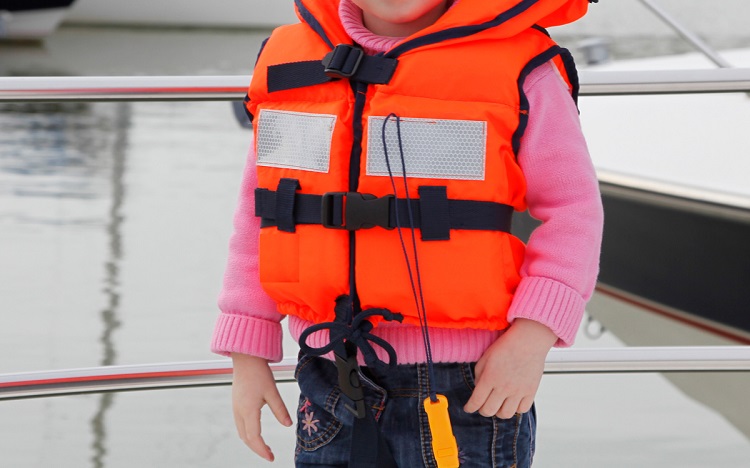
source: yachtingmonthly.com
With so many options available, choosing the right life jacket can feel overwhelming. Here are the most important features to look for:
- Proper Fit and Sizing
A well-fitted life jacket should be snug without being restrictive. Most kids’ life jackets come in specific weight categories, so be sure to select based on your child’s weight rather than age. - Buoyancy
Buoyancy is a key feature to consider. Offshore and near-shore life jackets offer the most buoyancy, while flotation aids and swim vests are suited for lighter activities. Choose based on your child’s swimming ability and the type of water they’ll be in. - Material and Comfort
Comfort is key, especially if the child will wear the jacket for extended periods. Foam-based jackets provide excellent buoyancy, while inflatable types can be lighter but may require inflation and regular checks.
Conclusion
Water activities should be enjoyable, and with the right life jacket your child can safely splash, float, and dive into new experiences. So, make sure your child is geared up with a life jacket that fits well and provides reliable buoyancy. Safety first, fun always!