

Mixer taps are a key element to consider when upgrading your bathroom. While they might not steal the spotlight in your design, choosing a high-quality, durable mixer tap is a decision that can offer long-term benefits. If you’re uncertain whether a mixer tap is the right choice, here are five compelling reasons why they’ve become a popular trend.
Wide Range of Styles
source: freepik.com
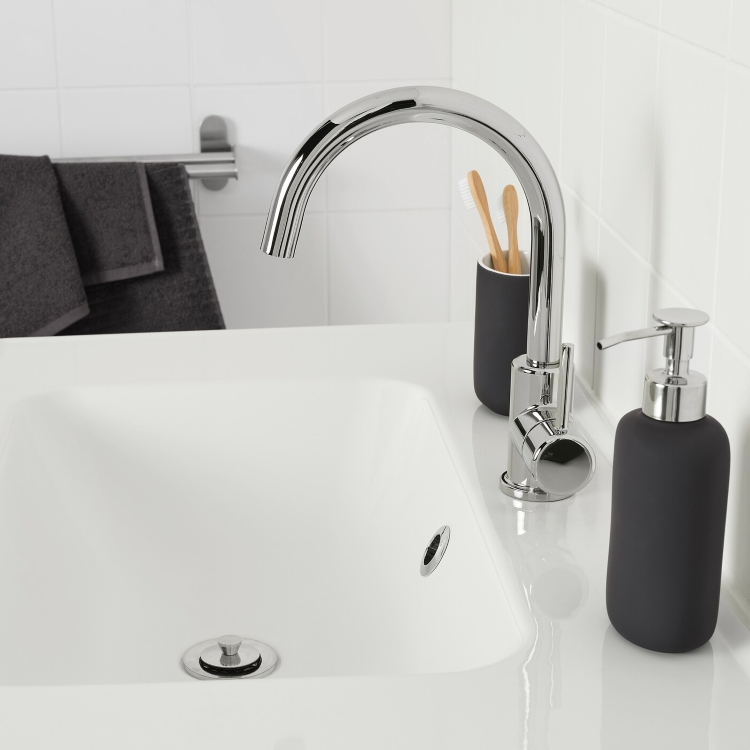
One of the greatest advantages of mixer taps is their incredible versatility in style and function. Whether you’re designing a traditional or modern bathroom, there’s a mixer tap to suit your taste and complement your overall aesthetic. From sleek, minimalist designs to classic, timeless options, mixer taps cater to a wide range of preferences, allowing you to effortlessly enhance the look and feel of your space.
Freestanding taps, also known as high-rise taps, rise out of the floor or worktop and are required for modern basins and baths that do not have enough space for mounted taps, such as new roll-top baths and countertop sinks. Wall-mounted varieties provide an even sleeker, more contemporary appearance.
Single-lever taps are sleek and simple in design, with just one lever to control temperature and water flow. These designs are popular in modern bathroom themes since they are simple and easy to use.
Dual-lever mixer taps are a return to traditional design; the hot and cold water flows are controlled by two separate levers. Because of their ability to precisely adjust temperature, they are an excellent choice for those who value functionality over current design.
A monobloc mixer, as the name implies, is made of a single block and contains one or two levers for controlling water flow. These taps’ space-saving and user-friendly design make them an excellent choice for small bathrooms.
Last but not least, filter taps use cutting-edge technology, including an integrated water filtering system that removes impurities to provide pure, fresh drinking water directly from the faucet. Filter taps are an excellent choice for households concerned about their health and looking to use less plastic and have cleaner water.
Rich Material Selection
The material of your tap is a crucial consideration as it directly impacts its durability, functionality, and aesthetic appeal. Here’s a breakdown of popular materials to help you make an informed decision:
Brass
Brass is a staple material in mixer tap fabrication, renowned for its exceptional durability and resistance to corrosion. Its robust nature makes it a reliable choice for long-term use. Beyond its practicality, brass taps bring a timeless charm that complements both traditional and contemporary bathroom designs. Their classic appeal ensures they remain a popular choice for those seeking a blend of reliability and style.
Stainless Steel
For modern bathroom designs, stainless steel is the go-to material. Its sleek, minimalist appearance aligns perfectly with contemporary aesthetics. Stainless steel taps are not just visually appealing but also highly functional—they resist corrosion, are built to last, and require minimal maintenance, making them a practical option for everyday use.
Chrome
If you’re looking to add a touch of glamour to your bathroom, chrome is an excellent choice. Its high-sheen, reflective surface adds visual interest, enhancing the overall brightness of the space. Chrome taps are durable and rust-resistant, though they do require regular cleaning to maintain their brilliant shine. Despite this, their striking appearance makes them a favourite for creating a polished and sophisticated look.
Nickel
Nickel is a versatile material that bridges the gap between traditional and modern design aesthetics. With its durability and excellent corrosion resistance, nickel taps are as functional as they are stylish. Whether you prefer a vintage-inspired bathroom or a sleek contemporary space, nickel’s adaptability ensures it fits seamlessly into a wide range of interior styles.
Energy-Efficiency
source: pexels.com
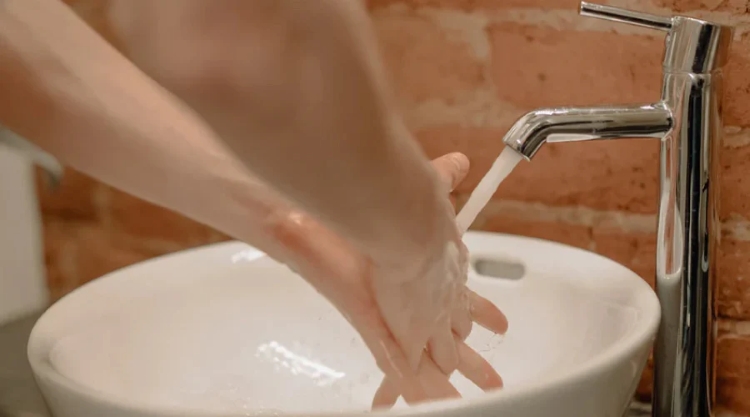
One-fifth of the energy consumption of a single-family household is used for domestic hot water. The proportion is even higher in apartments. When the handle of an ordinary single-lever mixer tap is opened for a full flow of warm water, the energy consumption is very high. However, replacing the conventional tap with a new resource-efficient tap can help you save energy as the handle automatically moves to an “energy saving setting” for both lower temperature and lower water flow.
When the handle is positioned straight out, a standard single-lever mixer tap in the kitchen or washbasin typically delivers lukewarm water. However, with the new mixer tap design, cold water is supplied from this central position instead. This makes it easier to know exactly what temperature to expect without second-guessing whether you need warm or cold water.
For lukewarm or warm water, simply move the handle to the side. To access very warm water, hold the handle in the fully extended position. Once you release the handle, it automatically springs back to the central position, effectively reducing unnecessary warm water usage. This innovative design not only helps conserve warm water but also minimizes the risk of accidental scalding, offering both efficiency and safety in your daily routine.
Latest Ceramic Disc Technology
This advanced technique uses two ceramic discs with matching slots to replace the rubber washer and feed pipe seen in most tap designs. Water will only come out of the tap when these slots line up, giving you far greater control over the flow and making it more efficient. Ceramic discs not only conserve water, but they also last longer since they are more resistant to degradation.
Work With Any Water Supply Type
Although the Australian guideline for domestic water pressure is 500 kPa, it varies amongst households. As a result, low-pressure systems, such as gravity-fed water systems, are the most popular. Unvented hot water systems and combination boilers are two less common methods. However, if you buy a mixer tap you won’t have to worry about utilising different fittings because most taps operate with any type of water supply, including low-pressure ones (0.5-1 bar).