

For those venturing into the world of classical music and deciding which instrument to play, there are five popular choices each of which offers a unique sound and playing style to suit a variety of musical preferences. Whether someone loves the elegance of strings, the boldness of brass, the warmth of woodwinds, or the versatility of piano, these classical instruments carry a timeless appeal.
Whether you choose contrabasses, violins, pianos, or another instrument, your decision will largely depend on your personal preferences and musical goals. Here are five popular instruments you may want to consider as you explore your options.
Contrabass: The Giant of the Orchestra

source: pinterest.com
The contrabass is the largest and lowest-pitched string instrument in the orchestra. Standing at about 180 cm tall (six feet), its commanding presence not only enriches the overall sound but also provides a vital harmonic foundation for orchestral music. With its deep, resonant tones, the contrabass serves as the backbone of both classical and jazz ensembles, offering a warm, rich sound that anchors the harmony and rhythm.
Why is it called a contrabass? The term contrabass comes from the Italian word contrabasso, which means “double bass” or “against the bass.” It is called a contrabass because it plays at a pitch that is one octave lower than the bass, making it the lowest-pitched string instrument in the orchestra. If you think that this is something you might see yourself playing, here is what else you need to know.
Also known as a double bass, many aspiring musicians wonder whether playing this instrument is harder than playing the violin. While both instruments present unique challenges, the difficulty largely depends on the individual player’s musical skills and goals. The violin, with its higher pitch and smaller size, demands precise finger placement and a delicate bowing technique to produce a clean sound. Its range and the intricate nature of its repertoire can be daunting for beginners.
In contrast, the upright bass requires a different set of skills. Its larger size and longer strings make it physically demanding to play, often necessitating the use of a different bowing technique. Musicians are often drawn to the giant of the orchestra for its versatility across various genres. While being a staple in classical music, contrabasses also have significant roles in jazz, blues, folk, and even popular music. The ability to provide both melodic lines and rhythmic support makes this kind of instrument adaptable for different musical contexts.
Do you need more reasons to choose an upright bass? The upright bass provides essential harmonic support in ensembles, making it a vital part of any orchestra or band. And with its deep, resonant sounds it adds warmth to any musical piece, enhancing the overall richness of the performance. Musicians who play the giant bass have opportunities to perform in various musical styles and genres, from classical symphonies to jazz bands and rock ensembles.
Violin: The Master of Melody
The violin, often hailed as the master of melody, is a versatile string instrument known for its expressive capabilities. With its four strings tuned in perfect fifths, the violin can produce a wide range of emotions, from joyful and exuberant to sorrowful and haunting.
Its ability to soar above the orchestra makes it a favourite for solo performances and concertos, showcasing virtuosic technique and lyrical phrasing. The violin’s rich history spans various genres, from classical to folk, and its intricate playing techniques, such as vibrato and pizzicato, further enhance its melodic potential, captivating audiences across the globe.
Piano: The King of Harmony
Regarded as the king of harmony, the piano is a cornerstone of both classical and contemporary music. With its 88 keys, it allows for a vast array of chords and melodies, making it a powerful tool for composition and performance. The piano’s versatility enables musicians to explore different styles, from intricate classical sonatas to lively jazz improvisations.
Its ability to play multiple notes simultaneously means that it can support melodies, create harmonies, and provide rhythmic accompaniment all at once. The piano’s dynamic range, from soft whispers to thunderous crescendos, adds depth and richness, solidifying its status as a central instrument in music.
Flute: The Airy, Expressive Woodwind
source: pinterest.com
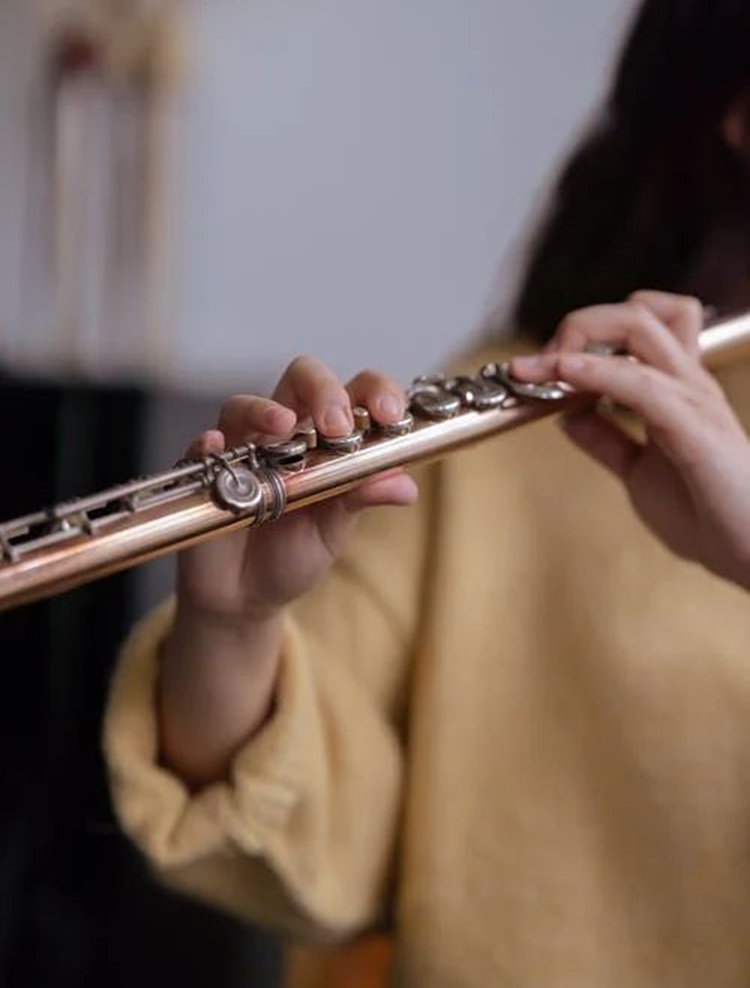
The flute is often celebrated for its airy, expressive sound, making it a standout among woodwind instruments. With its sleek design and ability to produce a wide range of pitches, the flute can convey a sense of lightness and elegance. Its unique tone allows for intricate melodic lines that can soar gracefully above orchestral textures.
Flutists employ various techniques, including vibrato and flutter-tonguing, to enhance expressiveness and add character to their playing. The flute’s versatility enables it to shine in diverse musical genres, from classical symphonies to modern pop, captivating listeners with its ethereal quality and lyrical beauty.
French Horn: The Noble Brass Instrument
The French horn is often regarded as a noble brass instrument, known for its warm, rich tone and unique playing technique. Its circular shape and intricate design allow for a wide range of notes, producing a sound that is both powerful and lyrical.
The horn’s distinctive ability to blend with both brass and woodwind instruments makes it a vital part of orchestras and chamber ensembles. French horn players utilise techniques such as hand-stopping and muted playing to create varied tonal colours, enhancing their expressive capabilities. The French horn’s majestic sound evokes a sense of grandeur, making it a favourite in both classical compositions and film scores.