

If you’ve ever walked into a music store, chances are you’ve spotted those really cool guitars on the wall. Maybe you even learned to play on one of those things. Yamaha has been around for decades, and they’ve essentially achieved something that’s surprisingly hard to do: make good guitars for everyone, from amateur to pro. Punching well beyond the price tag, their quality has brought them the reputation of reliable instruments crafted with passion and precision.
The Budget-Friendly Starting Point
source: blog.bestbuy.ca
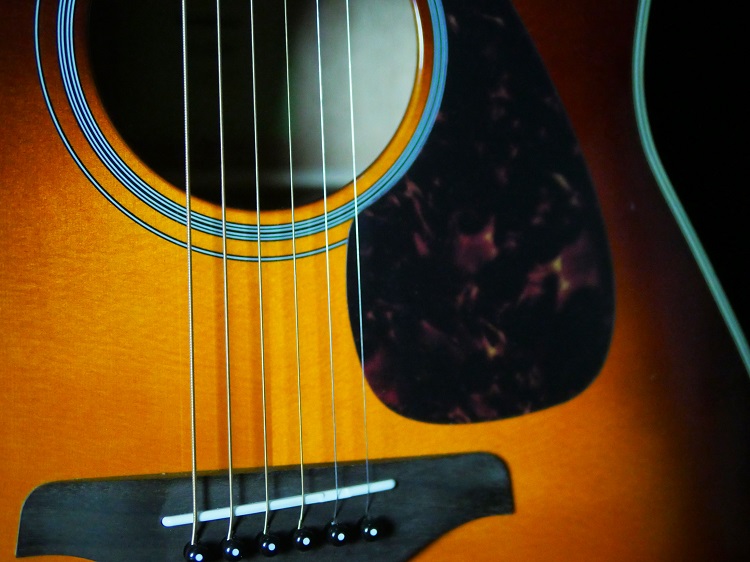
Let’s start where most guitarists do, and that will be the entry-level guitars. Yamaha’s student guitars, such as the F310 acoustic or the Pacifica 012 electric, are not meant to be flashy but reliable, playable, and affordable. Just what beginner guitarists need.
The F310 is, of course, somewhat of a legend in its own right. F335 and FG800 are the gold standard for beginner acoustics. Step into any guitar teacher’s studio, and you’ll probably find at least one of their students trudging around with one of these things. It has a nice spruce top, so it sounds better than you’d expect, considering the price. The necks are also pretty comfortable, so you won’t find yourself struggling against the instrument as you’re trying to figure out your first chords. And the best thing is you don’t have to spend a fortune to find a great-sounding, highly playable Yamaha guitar.
On the electrical side, the Pacifica series is where Yamaha shines. These guitars far outperform their retail pricing. Pacifica 012 comes with an actual setup. There’s a humbucker in the bridge, two single coils in the rest, and a five-way switch that gives you decent tonal variety. This is a guitar that will grow on you over the years. It might not be a Fender, but the versatile Pacifica 112V can handle rock, blues, jazz, or pop with no problem. You can see many musicians who have upgraded to higher-end equipment but keep their Pacifica around as a backup that they can trust.
Mid-Range Magic
Once you’ve got the basics down and you’re ready to invest a little more money, you can explore Yamaha’s mid-range. The FG and FS series of acoustics have been used on countless recordings and tours. These aren’t “better student guitars” – they’re used by real working musicians.
A good example of an acoustic guitar Yamaha is the FG800, which has become extremely popular with singer-songwriters. It has the classic dreadnought style that projects well, be it in your bedroom or your local coffee house. The quality of build increases significantly at this price point. We start to see solid tops, better hardware, and amazing finishes. Constructed with more attention to the fretwork and setup, playability improves, too.
In the electric guitar sector, things get really fascinating. Within the higher-end Pacifica series, specifically the 611 and 612, with their flame maple tops and upgraded pickups, start competing with guitars that are twice their price. These are instruments that you can take on tour without any worry of compromise.
Pro-Level Performance
source: blog.bestbuy.ca
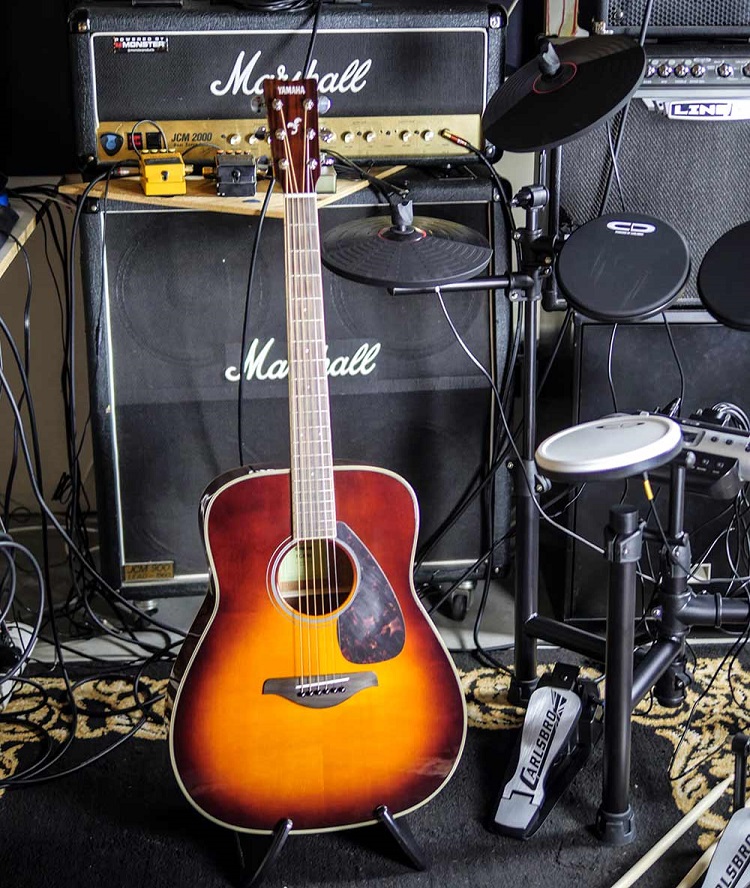
At the high end of this heap, the pro-level Yamaha guitar range is seriously impressive. The L-series acoustics, handcrafted in Japan, go head-to-head with boutique builders. These guitars are built from top-level tonewoods, feature hand-scalloped bracing, and get that sort of attention to detail that makes each slightly unique.
Take, for example, the LL16 and LS16 – the professional studio musician’s go-to guitars when the track calls for a specific sound. They are balanced, articulate, and built to last for generations. When you pick one up, you can immediately feel the craftsmanship – the finish work, the intonation, or how the neck meets the body. It all just feels right.
For electric enthusiasts, looking to move up to the next level, the Yamaha Revstar line offers something genuinely different. There’s an unmistakable retro-meets-modern look and feel to the Revstars, coupled with unique features like the Dry Switch, allowing you to go from rich and warm to bright and sharp tones. They’re built to feel substantial, look stunning, and play like instruments much more expensive than they actually cost.
Top 3 Yamaha Acoustic Guitars
- Yamaha FG800 – The people’s champion. An absolute no-brainer for beginners and a guitar that many players never consider upgrading beyond.
- Yamaha LL16 ARE – The excellence of hand-crafted guitars with Yamaha’s acoustic resonance enhancement treatment, which makes the wood sound like it’s been played for years right out of the case.
- Yamaha APX600 – A slim-body, unplugged, acoustic-electric guitar, ideal for use on stage and plugged-in performance, with surprisingly fine unplugged tone.
Top 3 Yamaha Electric Guitars
- Yamaha Pacifica 112V – The ultimate bang for your buck. A great all-around instrument for players who need one guitar to do everything.
- Yamaha Revstar Standard RSS02T – For those who want a guitar with a personality of its own. Good tones and beautiful looks, plus build quality that beats the price tag.
- Yamaha SG1802 – The flagship. If you’re curious about what Yamaha guitars can really offer, then here it is – the best materials, craftsmanship, and sound to inspire you every time you play it.
The Yamaha Experience
What makes Yamaha stand out isn’t flashiness or endorsements, it’s their consistency. When you buy Yamaha guitars, you know exactly what you’re getting: something made well, something that sounds good, and something that’s made to last longer than your passion for whatever particular genre of music you’re currently obsessed with.
There is, too, a refreshing quality to a brand that does not rely on mystique or mythology. Yamaha guitars are the opposite of precious. They’re meant to be played, and they encourage you to make music, rather than spend your time maintaining a collectible investment piece.
Whether you’re buying your first guitar or your fifteenth, you can bet that Yamaha has something worth considering. While they may not be the coolest kids on the block, they are the ones played the most – and isn’t that the whole point?