

Starting art can feel wonderfully exciting — and slightly overwhelming. You walk into an art shop or browse online, and suddenly you’re faced with shelves and pages full of colour, textures and promises of “professional quality”. Tubes, jars, sets, mediums… where do you begin?
Understanding paint matters enormously for beginners because the materials you choose shape your entire creative experience. The right choice can make learning joyful and rewarding. The wrong one can leave you frustrated before you’ve really begun.
What Are Artistic Paints?
source: arttoart.net
Every paint you’ll ever use is made from three things: pigment (the colour), a binder (what holds it together), and something to adjust how it spreads and dries.
The pigment determines the richness and vibrancy of the colour. The binder affects how the paint behaves once it’s applied to a surface. The solvent controls how fluid the paint is and how quickly it dries. By adjusting these elements, manufacturers create different types of paint suited to different techniques and artistic goals.
When you browse for paints, you’ll notice the variety immediately. There are thick, buttery textures and thin, translucent washes. Some dry in minutes; others take days. Some shine; others dry matte. Each type opens up a slightly different world of creative expression.
Main Types of Paint
You don’t need to try everything at once. Start with understanding how the main types actually feel to use.
Acrylic
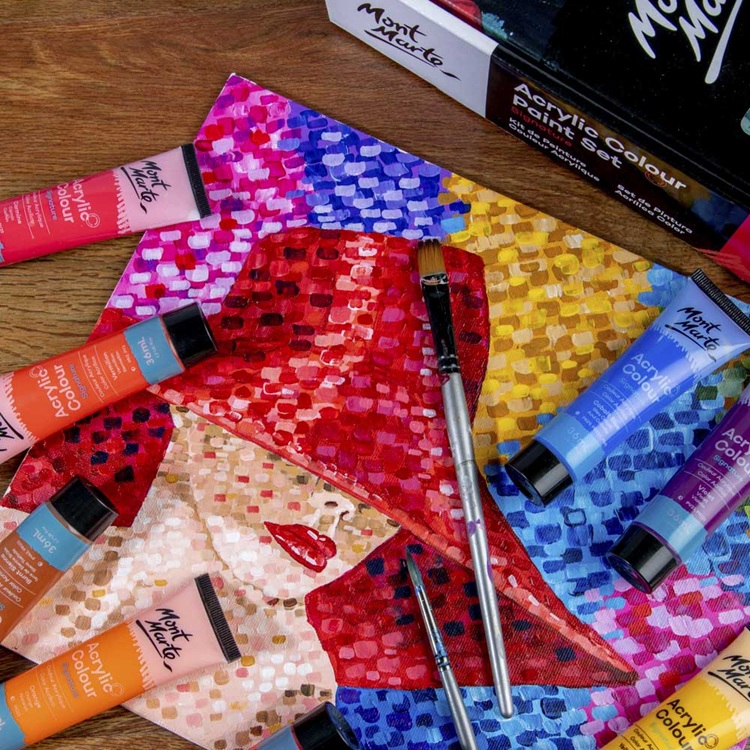
Acrylic paint is often recommended as the ideal starting point. It is water-based, dries relatively quickly and works on a wide range of surfaces, including canvas, paper, wood and even fabric.
Advantages:
- Fast drying time;
- Easy clean-up with water;
- Versatile textures (can be thin like watercolour or thick like oil);
- Generally affordable.
Challenges:
- Dries quickly, which can make blending trickier;
- Colours may darken slightly as they dry.
Acrylic is forgiving, flexible and widely available, making it a brilliant all-rounder for beginners.
Oil
Oil paint has been beloved by artists for centuries. It uses oil (traditionally linseed oil) as its binder and dries very slowly — sometimes taking days or even weeks.
Advantages:
- Beautiful blending capabilities;
- Rich, luminous colours;
- Long working time.
Challenges:
- Requires solvents for thinning and cleaning;
- Longer drying time;
- Often more expensive.
If you love smooth transitions and detailed realism, oil might appeal to you — though it does require a little more patience and preparation.
Watercolour
Watercolour is transparent and delicate. It’s activated with water and usually applied to specially designed watercolour paper.
Advantages:
- Light and portable;
- Expressive and atmospheric;
- Minimal equipment required.
Challenges:
- Harder to correct mistakes;
- Requires control of water balance.
Watercolour encourages a looser style and often teaches excellent brush control and colour understanding.
Gouache
Gouache is similar to watercolour but opaque rather than transparent. It produces a velvety matte finish and is popular among illustrators.
Advantages:
- Strong, flat colour
- Easier to layer than watercolour
- Great for design work
Challenges:
- Can reactivate with water
- Requires careful layering
Each of them offers a distinct creative experience. The key isn’t choosing the “best” one — it’s choosing the one that suits your personality, space and artistic ambitions.
How to Choose as a Beginner
When you see shelves of paints for sale, it’s easy to think you need a huge collection. You really don’t. Start by thinking about what excites you.
- Do you imagine yourself blending portraits slowly? Try oil.
- Do you want bold colour and quicker results? Acrylic might feel right.
- Do you love soft washes and subtle layers? Watercolour could be your match.
Then think about your space. If you’re painting at a desk in your bedroom, water-based options make life simpler. If you have a dedicated area and don’t mind longer drying times, you have more flexibility.
Budget matters too. Student-grade options cost less and work perfectly well when you’re learning. You can practise, experiment and make mistakes without worrying about wasting expensive materials. Many brands offer paints for sale in starter sets, which gives you a balanced range without overspending.
Most importantly, choose something that makes you want to start immediately. If you feel curious rather than anxious when you open the box, you’ve chosen well.
Basic Tips for Working with Paint
Once you’ve chosen your materials, a few simple habits will set you up for success.
Start with a Limited Palette
It’s tempting to buy every colour imaginable. Instead, begin with a small selection: a warm and cool version of each primary colour (red, blue, yellow), plus white. Learning to mix your own shades improves your understanding of colour far more than relying on pre-mixed tubes.
Test Before You Commit
Try small swatches on scrap paper or canvas. Notice how the paint spreads, how quickly it dries and how the colour shifts. This small step builds confidence.
Use the Right Amount of Water or Medium
Too much water can weaken acrylic. Too little can make paint difficult to spread. With oil, use solvents and mediums sparingly. Balance is everything.
Clean Brushes Properly
Brush care is often overlooked but incredibly important. Rinse water-based paints thoroughly with water and reshape the bristles before drying. Oil brushes require proper solvent cleaning followed by soap and water. Good brush care extends the life of your tools significantly.
Allow Yourself to Experiment
Not every piece needs to be a masterpiece. Try layering. Try scraping. Try mixing unexpected colours. Artistic growth comes from exploration, not perfection.
Be Patient with Yourself
Every artist begins somewhere. Early work may not match your imagination — and that’s perfectly normal. Skill develops through practice and curiosity.
Conclusion
Choosing artistic paint doesn’t need to feel daunting. Once you understand the basic components, the main types available and your own creative preferences, the decision becomes far more manageable. Acrylic offers versatility and convenience. Oil provides rich blending and depth. Watercolour delivers delicacy and spontaneity. Gouache bridges opacity and control. Each has strengths, and none is inherently superior.
When browsing options, focus on what suits your goals, space and budget rather than what seems most impressive. Start simple, experiment freely and build your skills gradually. Art is not about having the most expensive materials or mastering everything at once. It’s about expression, discovery and enjoyment. Choose your materials thoughtfully, embrace the learning process and let your creativity unfold.