

Ever wondered why a weld fails even when the technique seems right? The problem often isn’t the skill, it’s the process–equipment mismatch. Welding isn’t a one-size-fits-all task. Different materials, thicknesses, and applications demand specific welding processes, and using the wrong equipment can lead to weak joints, excessive spatter, distortion, or costly rework. But when the process aligns with the job, and the tools support precision, strength, and control, results improve instantly.
Range of Welding Machines and Power Sources
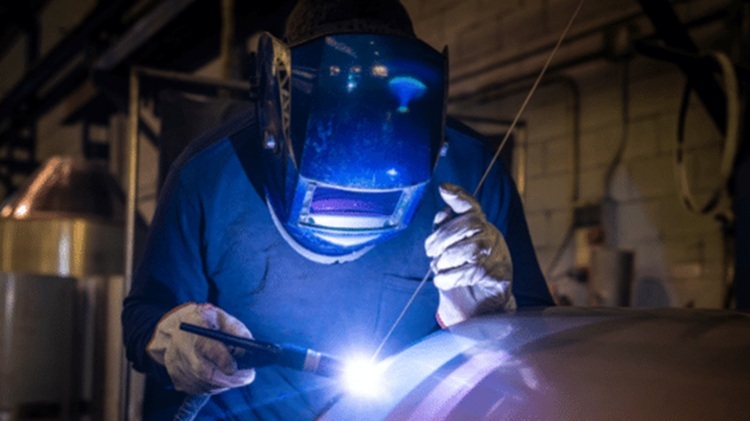
source: kloecknermetals.com
Forget the guesswork, a premium welding supply ensures you build every task right. Exploring the full range of welding machines and power sources helps eliminate guesswork, improve weld quality, and ensure every job is completed efficiently, safely, and with consistent, professional results.
MIG Welders: Versatile General-Purpose Machines
One of the most popular categories available is MIG welding supplies, designed to deliver efficient and reliable welds across a variety of applications. These machines feed a continuous wire electrode and use shielding gas to create strong, clean joints, making them ideal for fabrication, automotive repair, and sheet-metal work.
Many units also support gasless MIG setups for working outdoors or in environments where gas shielding is impractical. The versatility of MIG welders makes them a staple in both professional workshops and DIY garages.
TIG Welders: Precision and Control
TIG welding equipment provides precise control over the weld bead, making it the tool of choice for high-quality projects and thin materials. These systems use a non-consumable tungsten electrode and often offer AC/DC capability, allowing welding of a wide range of metals, including aluminium, stainless steel, and copper. Add-ons such as foot pedals and remote controls enhance operator control for detailed work.
Stick (MMA) Welders: Rugged and Reliable
A stick or MMA welder is valued for its simplicity and durability, particularly in outdoor or industrial environments. This welding supply excels on thicker materials and is less affected by wind or dirty surfaces. Stick MMA welders are ideal for construction, maintenance, and heavy steelwork, offering robust output with minimal setup.
Multi-Function and Plasma Cutters
Many modern welding options combine processes, supporting MIG, TIG, and Stick in one unit for maximum flexibility. Plasma cutters are also included for metal cutting tasks, adding another layer of capability to a workshop.
Power Sources: Inverter and Traditional Units
Inverter-based power sources are increasingly common, providing lightweight, efficient performance with superior arc stability and energy savings. Traditional transformer-based units remain popular for heavy-duty work, offering rugged reliability. Portable engine-driven welders, on the other hand, extend capabilities to remote sites without mains power.
Welding Consumables and Filler Materials
Welding consumables and filler materials play a critical role in determining weld strength, durability, and overall quality. Electrodes, wires, and filler rods are designed to match specific welding processes, base metals, and application requirements.
For MIG welding, solid and flux-cored wires ensure smooth feeding and consistent penetration, while TIG welding relies on carefully selected filler rods to maintain clean, precise welds. Stick welding electrodes combine filler material and flux coating, providing shielding and slag protection during the welding process.
Selecting the right consumables helps prevent common issues such as cracking, porosity, and poor fusion. Factors such as material type, thickness, welding position, and environmental conditions all influence the choice of filler material.
Essential Welding Safety Equipment
Essential welding safety equipment is vital for protecting welders from heat, sparks, fumes, and intense light exposure. A properly rated welding helmet with appropriate shade lenses shields the eyes and face from arc radiation and flying debris.
Welding gloves made from heat-resistant materials protect hands while allowing controlled movement and grip. Flame-resistant jackets, aprons, and sleeves help prevent burns caused by spatter and molten metal. Safety boots with reinforced toes and non-slip soles reduce the risk of injury in busy work environments.
Respiratory protection and adequate ventilation are also crucial, as welding fumes can be hazardous when inhaled. Hearing protection may be necessary in high-noise settings, especially during industrial operations.
Tools for Preparation and Finishing
Tools for preparation and finishing are essential for achieving strong, clean, and professional-quality welds. Proper surface preparation begins with cleaning tools such as wire brushes, grinders, and flap discs, which remove rust, paint, oil, and contaminants that can weaken weld integrity.
Angle grinders are commonly used to bevel edges, ensuring better penetration and stronger joints. Clamps, magnets, and fixtures help hold materials securely in place, improving accuracy and alignment before welding begins.
After welding, finishing tools play a key role in refining the final result. Grinding wheels and sanding discs smooth weld beads, remove slag, and enhance appearance. Chipping hammers are used to clear slag from stick welds, while polishing tools provide a refined finish for visible or decorative work.
Choosing Supplies Based on Skill Level
Choosing welding supplies based on skill level helps ensure better results, improved safety, and a smoother learning process. Beginners benefit from user-friendly equipment and consumables that offer stable arcs and forgiving performance, reducing frustration and common mistakes.
Simple machines, basic electrodes, and standard protective gear allow new welders to focus on technique without being overwhelmed. Intermediate welders often require more versatile tools and higher-quality consumables that support a wider range of materials and welding positions.
Advanced users typically invest in precision equipment, specialised filler materials, and professional-grade safety gear to handle complex projects and demanding environments. Skill level also influences the need for accessories such as advanced controls, specialty clamps, and enhanced ventilation systems.