

You know the drill every winter, right? You spend ten minutes trying to stuff your little one into a dozen layers, only for them to start sweating the second you step into the supermarket. Then, as soon as you are outside again, they’re cranky because they still feel cold.
You feel like you have to constantly manage their temperature, which takes up half your mental energy. You need to learn how to pick quality baby winter clothes made from wool, which is a surprisingly soft and safe alternative that handles temperature changes perfectly, making your winter outings much easier.
The Merino Magic: Why Traditional Wool is Out
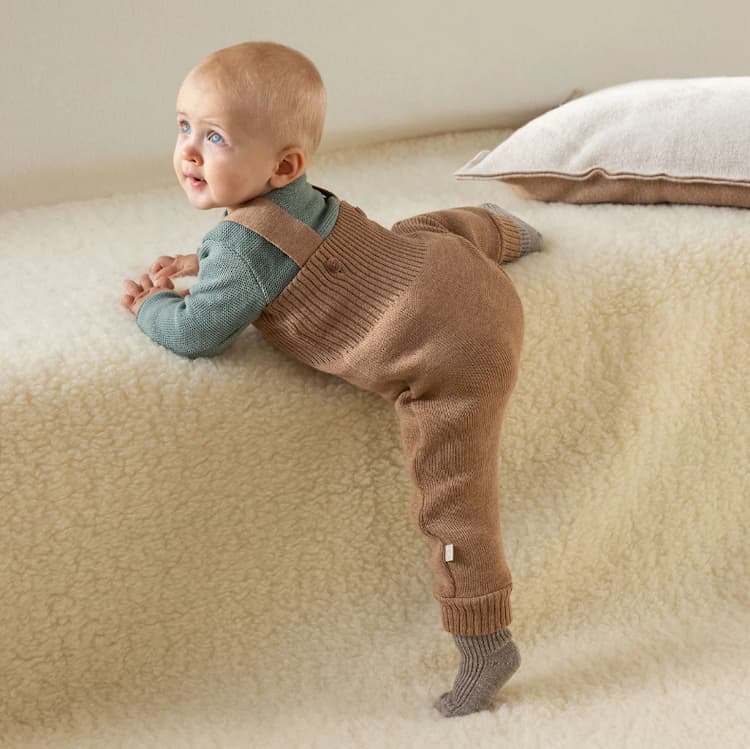
source: woollykins.com.au
You know how people used to complain that traditional wool was super scratchy and itchy? That’s why many of us avoided it for baby clothes, thinking it would be too harsh for delicate skin. Honestly, if you remember that feeling of wearing a rough jumper, you’d never dream of putting that near your little one, right? But things have totally changed, and that old, rough wool is definitely out when it comes to infant wear.
You should forget that picture of a stiff, irritating fabric, because modern wool is completely different. The big secret is merino wool, and it’s a game-changer for babies. You see, the fibres in merino wool are incredibly fine and soft, way softer than traditional wool. They actually bend when they touch the skin, so you don’t give that prickly, itchy sensation anymore.
It’s seriously smooth, feeling almost like silk or cashmere against your baby’s delicate skin. So, when you are looking to buy baby winter clothes, you can confidently choose merino wool. You are getting all the amazing natural warmth and breathability of wool without any of the old-school itchiness, making it a comfortable and safe choice for your little one all winter long.
The Power of Layers: Building the Ultimate Winter Outfit
Layer One: The Foundation
You know this is the most important part because it touches your baby’s skin. The base layer’s job is to wick away moisture, that is sweat, so your child stays dry. If they get damp, they will feel instantly cold, even if they have a thick coat on. You want something thin and breathable, and this is where that soft merino wool really shines. It’s perfect because it moves sweat away from the skin but still feels comfortable and gentle. You need a merino bodysuit, zipsuit or a set of thin long johns right against their skin. This is the foundation you build on to make any set of winter kids clothes effective.
Layer Two: The Insulator
Okay, once you have the base layer sorted, you move to layer two: the insulator. You can think of this as the cosy, warmth-trapping part of the outfit. This layer works by holding pockets of air close to the body, which is what keeps your little one toasty. This one should be thicker than the first, maybe consisting of a wool jumper, cardigan, or thicker leggings.
You can even use a chunky wool fleece if it’s very cold! Because wool is so light, you are adding major warmth without adding any of the heavy, bulky puffiness you used to fight with. Choosing the right piece here is key to making sure your overall baby winter clothing system works to hold the heat in.
Layer Three: The Shield
Now you need the final shield, the layer that tackles the elements outside. You have the moisture control from layer one and the warmth from layer two, but layer three is there to stop wind, snow, and rain from penetrating the first two layers. For your little one, this might be a windproof wool coat or a durable, weather-resistant snowsuit.
This layer doesn’t need to be thick; its job is purely to be the barrier. You need to make sure you use this layer when you go outside, and then remove it immediately indoors to avoid overheating. This top layer is vital for protecting your carefully chosen newborn winter clothes underneath.
Full Coverage
Socks and Tights
You can’t forget the extremities! Even if your baby has the best layers on, if their feet are cold, they will be miserable. You should always be putting them in wool or wool-blend socks or tights because those materials naturally keep feet dry and warm. You need to make sure the socks aren’t too tight, as this can actually restrict circulation and make their feet colder. You can even layer thin socks under thicker ones for really cold days, guaranteeing that snug, warm feeling.
Hats and Scarves
You know how much heat you lose through your head? It’s the same for babies! That’s why a soft wool hat is totally essential, even indoors if it’s chilly. For scarves, you have to be extra careful, so you are looking for simple neck gaiters or snoods instead of long, trailing scarves. These options keep their chest and neck warm without any loose ends that could pose a safety risk. You should also ensure the material is soft so it doesn’t irritate your little one’s chin or cheeks.
Nighttime Warmth
The layering strategy applies at night, too, but you need to be mindful of safety. You should dress your baby in a light merino wool bodysuit or pyjamas as the base. Instead of blankets, which can be unsafe, you are going to put them in a wool or organic cotton sleeping bag or sleep sack. This keeps them warm and cosy without the risk of the covers coming loose. You are aiming for a comfortable temperature that prevents sweating, ensuring you both get a good night’s rest.